



How to Quickly Improve Supermarket & Convenience Store Display Effectiveness?
30 December 2025
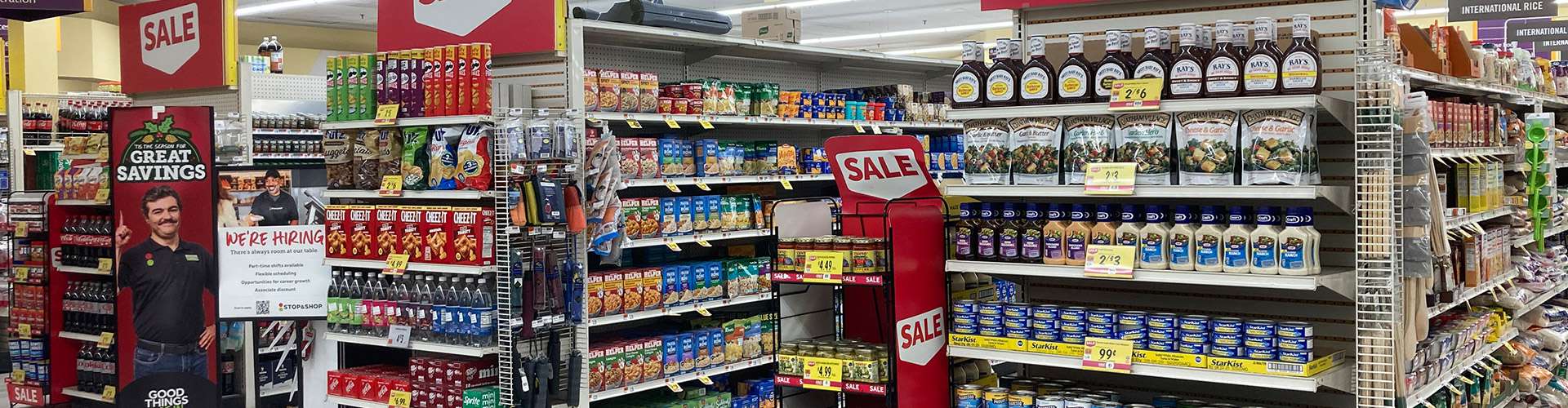


Retail Display Solutions In today's competitive retail environment, whether it's in supermarkets, convenience stores, pharmacies, or specialty stores, your greatest challenge is not attracting shoppers into the store, but stimulating their desire to purchase while they are there.
Shoppers enter stores with limited budgets, fleeting attention spans, and escalating expectations for clarity, convenience, and inspiration. These are the "comprehensive tension shoppers" we refer to - they have a full shopping list, but both time and budget are severely constrained. To engage them, retailers must employ intelligent, efficient, and strategic retail display solutions that guide, inspire, and facilitate transactions.
Even with a rich product range and stable customer traffic, retailers often face a paradox: many customers enter the store, briefly browse, and then leave with only a few purchases. These customers are "full-cart shoppers" - they push full shopping carts, seemingly intent on shopping, but in reality, their spending behavior is quite restrained.
Today's shoppers share several common characteristics that shape their interaction with displayed products: ✅ They shop quickly - and prioritize efficiency above all. Most customers enter a store with a clear objective: grab their items, pay, and leave.
They lack patience for disorganized shelves, unclear price tags, or crowded and messy aisles. Faced with chaos, they instinctively choose familiar brands or simply skip the entire area.
✅ They trust visual guidance. In a world of information overload, shoppers rely on visual cues to make instant decisions.
Clear labels, categories distinguished by color, and unambiguous identifiers can reduce mental effort.
A shopper who can immediately identify the product category, its advantages, and price will almost always make a purchase faster than one who has to interpret a cluttered display.
✅ They focus on price, but value is more important. Today's consumers conduct thorough research before entering a store. They are aware of standard prices and will immediately notice any price discrepancies.
However, they are not merely seeking "cheapness" - they are in search of transparent value.
When retailers utilize data strips, shelf signboards, and prominent promotional signs to highlight discounts or benefits, trust levels increase, thereby boosting conversion rates.
✅ They appreciate convenience. Accessibility directly impacts sales. If a product is easy to reach, grab, and compare, shoppers are 30% more likely to purchase it.
The front-facing display of products, modular carts, and intuitive shelf layout transform the shopping process from laborious searching to effortless selection.
In short, retail display solutions are not merely decorative, but carry strategic significance.
They build a bridge between shoppers' psychology and retailers' profitability, transforming cautious browsers into confident buyers.
The following are the most influential retail display tools that have been proven effective in attracting shoppers across all categories and converting visual displays into measurable sales growth.
2.1 Shelf Management System: The Foundation of Shopper Flow The shelf management system combines push rods, dividers, rollers, and stoppers to keep products always facing forward and neatly arranged. It is the invisible engine behind efficient, high-performance retail shelves.
Build shelves that continuously face forward and automatically reset after each retrieval.
Shorten search time - shoppers can immediately see what they want.
Maintain a clean and consistent display screen to enhance the reliability of the product.
Eliminate hesitation in moments of quick decision-making.
Practical application:
Shelf pushers - ideal for beverages, cosmetics, and packaged foods; they automatically push products forward.
Shelf dividers - Clearly delineate product lines or inventory units for quick comparison.
Shelf rollers - suitable for heavy items or bottled beverages, ensuring smooth replenishment and easy access.
· When everything appears orderly and within reach, shoppers subconsciously trust the product display and make purchasing decisions more quickly.
In other words, order is trust, and trust drives transformation.
When shoppers cannot find the price or promotional information immediately, they will choose to leave - no matter how good the product is.
Data strips and price indicators address this issue by transforming shelf edges into communication zones.
The prices and promotional activities are clear at a glance, without the need for speculation or frustration.
The highlighted features (environmental protection, best-selling, new products) have attracted people's attention.
Reduce SKU confusion and scan latency.
Improve the operational efficiency of store employees updating prices or shelf maps.
Common types of price communication tools:
Clip on or snap on price speaker
Adhesive backed data strip, smooth surface
Magnetic shelf edge labels for flexible sales
Oversized promotional price card for high impact information dissemination
When the information is clear, consistent, and visually structured, the purchasing process feels effortless.
Transparent communication=confident decision-making=higher sales.
The point of purchase (POP) and point of sale (POS) displays are designed to create "decision moments". They are the last chance for shoppers to be affected before checkout or passing through a certain area.
⚡ Its impact:
Highlight seasonal promotions and limited time offers.
Encourage cross selling or up selling with complementary products.
Improve the visibility of newly arrived or under performing SKUs.·
Create emotional or sensory triggers that trigger unplanned purchases.
Example:
POP poster board or digital signage
Suspended swingers and clamps achieve motion based attraction
End cap display panel for showcasing hero products
Acrylic rack near the cashier counter
Tight shoppers usually do not intend to buy more, but effective POP displays will gently push them.
They are not looking for trades, but are guided to reach them, reduce friction, and increase the average basket size.
Retail aisles typically have unused vertical space - shelf sides, empty columns, or narrow aisle edges.
Clip tapes and hang tags turn these blind spots into profitable opportunities for selling goods.
Allow secondary placement near high traffic areas.
Enhance product visibility without requiring additional shelf space.
Drive impulse sales of small, lightweight, or additional products.
Add visual diversity and participation to ordinary corridors.
Very suitable for snacks, trial packs, travel sized toiletries, accessories, or convenience items.
By expanding product touch points, retailers have increased exposure and increased incremental sales with minimal investment.
In the beauty, electronics, jewelry, or high profit categories, presentation equals perception.
Acrylic display screens provide a clean, modern, and high-quality display for products, instantly enhancing brand appeal.
The crystal clear transparency maximizes the visibility and color accuracy of the product.
The professional and smooth surface enhances the brand quality.
Custom shapes, sizes, and brands allow for complete creative flexibility.
Durable and easy to maintain, ensuring long-term display performance.
When the product is presented in a delicate and well lit acrylic layout, shoppers will feel a higher value even if the price remains standard.
This subtle psychological shift often transforms consideration into purchase.
How retailers strategically use display tools to influence behavior
Opening up the 'Full Tight' shoppers is not about adding more signs or shelves, but about carefully arranging how shoppers move, think, and make decisions in your store. Retailers who understand the behavioral process can turn each display into a silent salesperson.
Before adjusting the display, research how customers naturally pass through your store.
distinguish:
High speed zone - near the entrance, main aisle, or checkout counter, where shoppers move quickly and need instant communication.·
Low attention area - the space behind corners, lower shelves, or counters, can benefit from visual cues such as rocking or end cap signs.
Heavy decision-making area - product categories with multiple choices (such as snacks, cosmetics, or beverages), shelf organization, and clear price speakers can simplify decision-making.
Once these areas are mapped, align your display with the shopper's flow rather than the store's layout.
The strategic layout will transform passive transportation into active participation.
Shoppers don't look at shelves, they scan them. Every second of confusion reduces the chance of conversion.
To help them effortlessly "read" the bookshelf:
Purpose:
The separator can clearly separate SKUs and prevent product confusion.
Logical grouping - arranging items by category, function, or benefit.
Use bold data bars or speakers to highlight prices for immediate identification of prices and promotional activities.
When the display layout reflects the customer's ideas, decision-making becomes easier. The less effort is required, the more likely shoppers are to make a purchase.
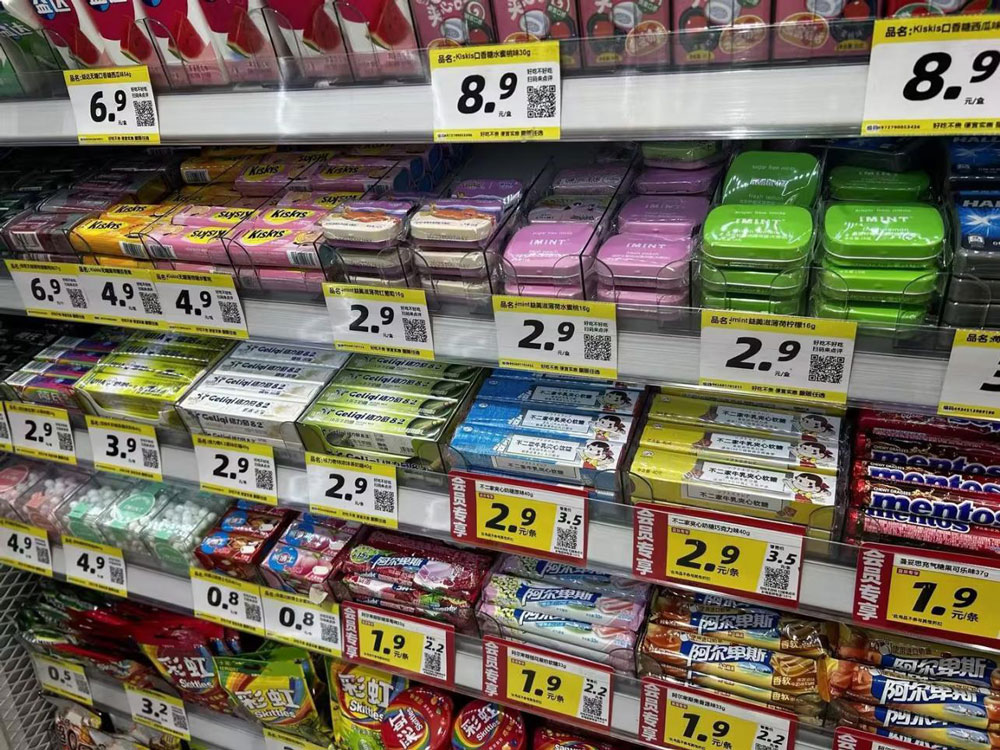
Impulsiveness does not happen randomly - it occurs in places where convenience and curiosity meet.
Strategically positioning display tools to capture those tiny moments of attention:
Location: A clip near the cash register or beverage fridge used to hold small accessories such as mint candies, snacks, or accessories.
The POP billboard is located on the back cover, announcing seasonal discounts or limited editions.
Hang rocking devices and signs near promotional items to visually "interrupt" fast-moving shoppers with motion and color cues.
These factors play a mild triggering role - prompting shoppers to make quick and satisfying purchasing decisions without pressure.
Impulsive buying reaches its peak at bottlenecks such as checkout areas and aisle intersections, so make sure your display shines brightly there.
The visual consistency of the store establishes subconscious trust. When the shelves appear stable and orderly, customers will assume that the brand is the same.
Shoppers instinctively trust:
Organized shelving, maintaining front and inventory.
Clear identification and cross departmental alignment.
Stable communication - maintaining consistent fonts, colors, and promotional tone on the monitor.
Consistency reduces uncertainty and enhances brand reliability.
Retailers who maintain uniform display standards not only build sales, but also loyalty, as customers know what their expectations are every time they visit.
To demonstrate that display strategies directly affect purchasing behavior, let's take a real-life example:
A medium-sized supermarket has partnered with Tiger Brand Display Company to optimize its snack and promotional areas. Challenge?
Messy shelves, unclear labels, and frequent restocking delays have left customers and employees feeling frustrated.
A pusher has been installed for packaged snacks and beverages.·
Added new data bars for price visibility and easy updates.
Launch POP promotional boards on the end caps for seasonal discounts.
Results after 6 weeks:
✅ The conversion rate of packaged snacks has increased by 22%.
✅ The number of hours employees spend preparing or replenishing inventory has decreased by 17%.
✅ Reducing product issues by 40% in the early stages has improved shelf availability and customer satisfaction.
The next generation of retail display solutions goes beyond static organization - it is becoming intelligent and data interconnected.
Intelligent technology now allows retailers to combine visual marketing with real-time analytics to fine tune performance.
Emerging innovations include:
A shelf pusher equipped with RFID or IoT sensors that automatically detects items with low inventory or misplaced items.
Electronic Price Speakers (ESL) synchronize with a central database to update promotional information in real-time, ensuring consistent communication among all stores.
Motion triggers digital signage that displays dynamic content when shoppers approach a specific area.
These tools will display a data-driven engagement system that tracks shoppers' movements, dwell time, and interaction rates.
Retailers can now measure which areas attract the most attention and adjust their layout accordingly.
In the near future, smart displays will not only display products, but also respond to shoppers by adjusting content and location based on real-time behavior.
Conclusion: From Hesitation to Confidence
Opening up shoppers filled with nervousness is not about working harder, but about combining display strategies with human psychology.
Retail display solutions - from push frames and dividers to POP signs and smart sensors - help transform shopping from a chaotic search to a guided journey.
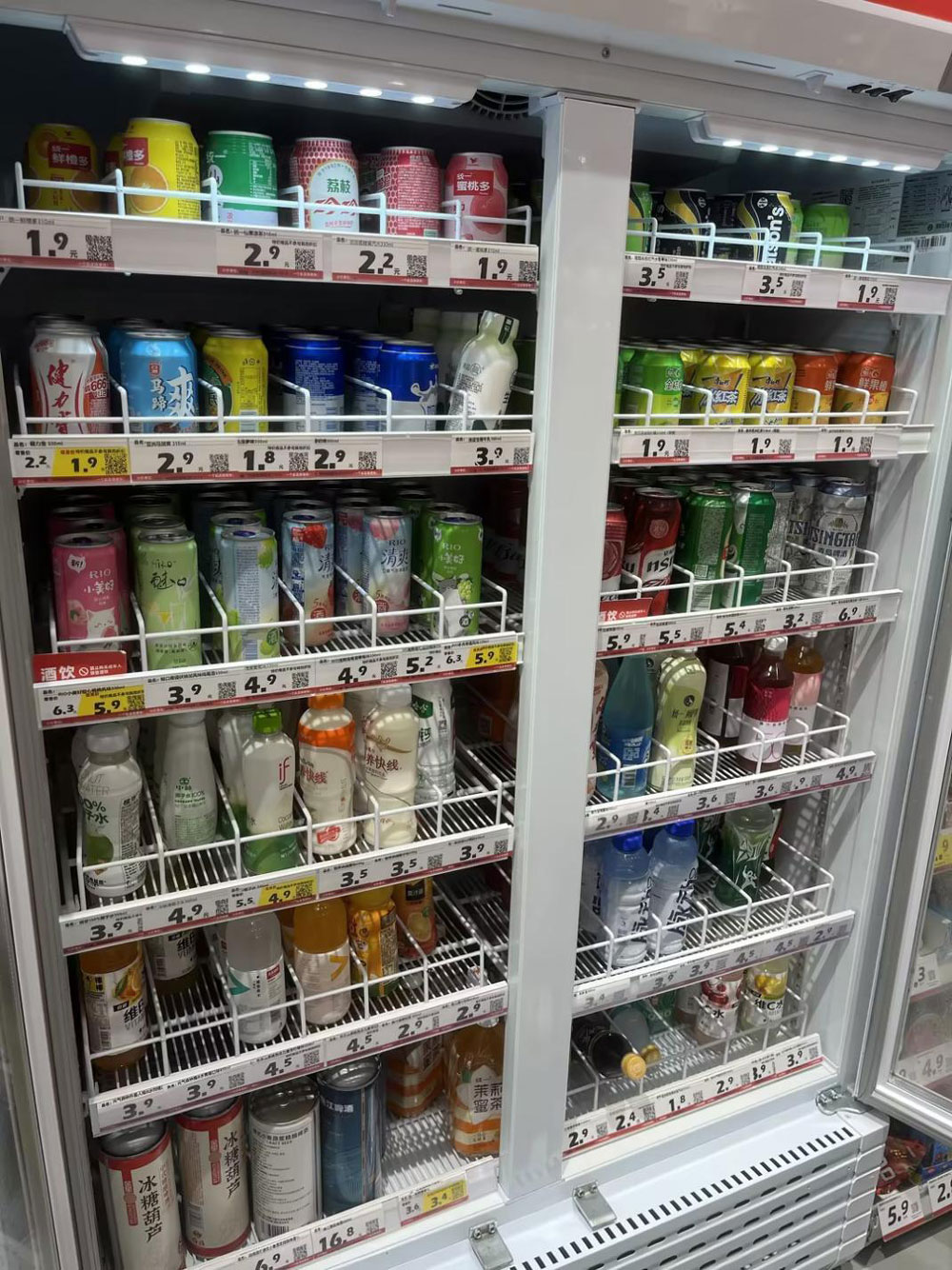
They make stores look more trustworthy, products more popular, and decisions easier.
When shoppers feel informed, visually guided, and confident, they not only open their wallets but also their willingness to purchase.
At Tiger brand monitors, we believe that every monitor has a purpose: to simplify, clarify, and connect.
This is how nervous shoppers can become loyal buyers, and how smarter retail design can convert every square meter into measurable growth.
 |  |


