



Custom Electronic Cigarette Packaging: The Secret Weapon for Elevating Retail Display Performance
30 December 2025
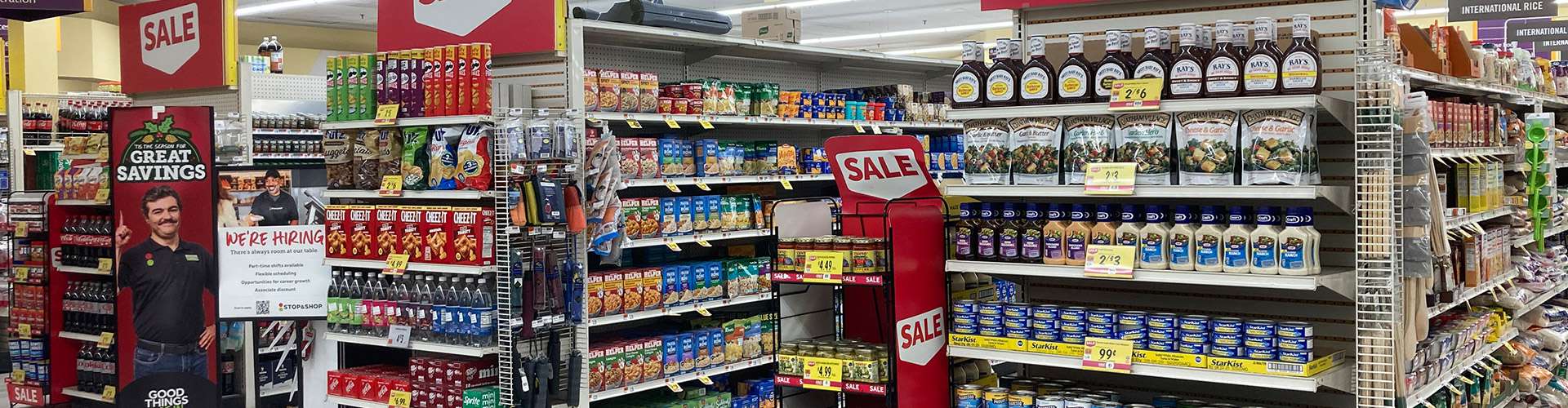


Type 1: Shelf based display (shelf management system)
Display hook system
Shelf display is the core infrastructure of retail goods. Unlike decorative lighting fixtures, these systems focus on operational efficiency, consistency, and long-term performance for thousands of SKUs.
What are they
Shelf mounted displays are modular components that are directly installed on existing shelf systems. They did not replace the shelves, but upgraded the standard shelves to a controlled product area.
These systems work behind the scenes, shaping the way products are placed, moved, and displayed throughout the day, without relying on employee intervention.
From a system perspective, shelf based displays have the following functions:
Product calibration controller
Space allocation tool
Visual discipline mechanism
Common ORIO Solutions
ORIO's shelf management series is designed to be compatible, scalable, and easy to deploy in different shelf materials and store formats:
Shelf Pusher - Spring System for Automatic Product Push
Shelf Divider - Fixed or Adjustable Divider to Maintain SKU Boundaries
Data Bar and Price Bar - Integrated Bracket for Pricing, Bar coding, and Promotions
Talkers and Swingers on the Shelf - Clip style Communication Tools that Highlight Key Information at Eye Level

All components are designed to work together as a system, rather than as isolated attachments.
Their purpose
Shelf mounted displays solve daily retail challenges that directly affect income and labor:
Maintain product front and even spacing
Reduce visual confusion and shopper confusion
Minimize manual lead time for employees as much as possible
Folding shelf layout to prevent rapid sales of goods
Support accurate execution of shelf maps across multiple stores
In high SKU categories, these systems can also help retailers sell shelves more effectively, not just products.
Best Application
Supermarkets and grocery chain stores
Pharmacy and Pharmacy
convenience store

Category intensive professional retail (cosmetics, electronic accessories, health products)
Why is it important
The shelf management system consistently provides one of the highest return on investment upgrades in the retail industry.
They do not rely on seasonal activities or a surge in shopper attention, but instead improve performance daily through the following methods:
Reduce operating costs
Improve shelf availability awareness
Create a cleaner and more trustworthy shopping experience
Type 2: End of aisle and high flow display
High traffic displays operate at decision points - where shoppers naturally pause, turn, or slow down. These areas provide the most valuable sales space in any store.
Shelf Swinger
What are they
The end of the aisle and high flow display are located in the following areas:
end cover
Main channel
Store entrance
Promotion hot spots
These displays are not used as storage devices, but as attention accelerators to guide shoppers to make impulsive decisions or choose specialty products.
The role of ORIO in high traffic displays
ORIO focuses on modular attachment systems, transforming existing end caps into high-performance promotional tools rather than manufacturing large fixed fixtures.
Typical ORIO solutions include:
End cap bracket push rod, used for maintaining front products
Display hooks used for hanging or blister packaging items
Clip on logo holder allows for quick modification of promotional activities
Modular POP accessories to adapt to different activities
This method allows retailers to improve performance without redesigning their store layout.
Their purpose
The end of the aisle and high flow display are mainly used for:
Drive impulse buying
Highlight limited time promotions
Launch new products or flavors
Increase brand exposure in crowded categories
They are particularly effective for products with short decision-making cycles or strong visual appeal.
Best Application
grocery store
Large retailers
pharmacy
Chain stores with high foot traffic
Why is it important
The impact of high traffic displays is not through size, but through position and speed.
With suitable accessories, retailers can:
Quickly refresh promotional activities
Reduce installation and disassembly labor
Even during peak hours, it is important to keep the monitor clean and tidy
This makes them an ideal choice for fast-moving retail environments where flexibility is crucial.
Type 3: Floor standing display
When brands require maximum visibility, capacity, and independence from fixed shelves, floor standing displays are used.
Desktop display box with product pusher
What are they
These are independent display units directly placed on the sales floor, including:
Freestanding Display Unit (FSDU)
Tray display
trash can
They operate as independent sales areas, usually linked to seasonal or large-scale events.
ORIO's Contribution to Floor Display
Although the external structure of floor standing displays is typically handled by lighting manufacturers or brand agents, ORIO focuses on the functional internal components that determine actual performance.
ORIO supports floor displays:
Internal splitter controls product flow
Hooks and trays for mixing product formats
Plastic inserts for stabilizing and separating SKUs
Customize OEM/ODM components based on display size
These elements ensure that the display remains organized, reusable, and easy for shoppers to use even in busy traffic situations.
Their purpose
Floor standing displays are typically used for:
Seasonal promotion
Batch or Value Pack Sales
Cleaning up activities
New product launches requiring strong visibility
They are particularly effective when retailers want to sell quickly without relying on permanent shelf space.
Best Application
Large retailers
Warehouse Club
department store
Promotion area and temporary retail space
Why is it important
Without proper internal systems, ground displays may quickly become chaotic, perform poorly, or difficult to maintain.
By focusing on structure, organization, and compatibility, system based components help with floor standing displays:
Stay longer in the sales area
Requires less staff intervention
Achieve more stable sales
Type 4: Counter and checkout display
The checkout point display plays a crucial role in maximizing the value of the shopping basket in the final stage of the shopping process. Unlike other display types that rely on browsing behavior, checkout display targets unplanned, low friction decisions made by customers while waiting for payment.
Check the lane divider
What are they
The counter and cashier displays are compact commodity systems located in the following areas:
Checkout counter
service desk
Payment and queuing area
The size of these spaces is limited, but the degree of exposure is high, making them the most valuable square centimeters in retail stores.
From a system perspective, the checkout display must be balanced:
Accessibility of visibility
Capacity without clutter
Promote without slowing down transaction flow
A typical ORIO solution
ORIO's checkout display component is designed to be compact, modular, and deployed quickly, ensuring compatibility with different counter sizes and store formats:
Acrylic display tray for small packaging items and accessories
Mini dividers and hooks for separating SKUs and maintaining order
Holders of countertop logos used for pricing, promotions, or additional information
All solutions emphasize durability, transparency, and ease of restocking - key factors for high revenue checkout areas.
Their purpose
The checkout monitor is most effective in the following aspects:
High profit margin pulse products
Accessories and Supplementary Attachments
Time limited or seasonal promotional products
These displays support incremental sales growth without the need for additional floor space or changes to store layout.
Best Application
convenience store
Pharmacy and Pharmacy
Electronic product retailer
Beauty and personal care stores
Specialty stores with fast checkout cycles
Why is it important
Carefully designed cash register displays do not distract customers' attention - they cleverly and effectively guide their focus.
By maintaining the orderliness and visibility of products, retailers can:
Increase average transaction value
Reduce clutter in the checkout area
Maintain a smooth and professional payment experience
Type 5: Modular and customized POS display components
Modular and customized POS components represent the intangible infrastructure behind large-scale retail display systems. Although they may not always exist independently as finished products, they are crucial for consistency, scalability, and long-term execution.
Floor standing advertising display poster stand
What are they
This category includes custom designed POS and POP components that can be seamlessly integrated into:
Existing shelving system
End caps and promotional fixing devices
Floor standing display
Checkout and countertop setup
These components are not specific to a particular store, but are designed to run across multiple formats, regions, and product categories.
ORIO's core advantages
ORIO focuses on building modular display components to support global retail business through the following methods:
OEM and ODM manufacturing tailored to the requirements of brands and retailers
Hot bent plastic components with precise shape and smooth surface
Standardized modular components that can be reused on different displays
This system based approach enables brands to maintain visual and operational consistency, even as stores continue to evolve.
Their purpose
Molecularity and customized POS components are crucial for the following aspects:
Standardization of cross regional chain stores
Multi market retail expansion
Long term shelving and display management strategy
Reduce redesign costs through repetitive activities
Retailers can build on existing component libraries instead of redesigning displays for each release.
Best Application
International Retail Chain Store
Global brand owners
Distributors managing multiple retail environments
Retailers with frequent promotions and seasonal resets
Why is it important
Without a modular system, retail displays will become expensive, inconsistent, and difficult to expand.
Standardized components can:
Faster release
Reduce the cost of each store
Easier to maintain and replace
With the passage of time, there is greater flexibility
How these display types work together
In high-performance retail environments, these five display types rarely run separately.
On the contrary, they function as an integrated display ecosystem, with each ecosystem playing a specific operational role:
Shelf based system maintains daily efficiency and shelf discipline
High traffic display can increase promotional awareness and impulsive decision-making
Ground based display supports bulk sales and seasonal events
The checkout display has increased the value of the shopping basket at the final touch point
Modular components ensure consistency and adaptability across the entire system
When these systems are combined, they create a layered product strategy that supports short-term sales and long-term operational efficiency.
Conclusion: A wiser way of retail display
Retail displays are not a one size fits all fixed device - they are strategic tools that shape how products are seen, accessed, and purchased.
By grouping displays based on functionality, location, and system roles, retailers can obtain:
Better control of product sales performance
Higher operational efficiency
More flexible in responding to market changes
At ORIO Display, we focus on building the following retail display systems:
Scalable across store networks
Cost effective throughout its life cycle
Easy to maintain in a real retail environment
Designed specifically for operating reality, not just visual impact
By combining shelf management systems with modular POS components, we assist retailers.
 |  |


