



Custom Electronic Cigarette Packaging: The Secret Weapon for Elevating Retail Display Performance
30 December 2025
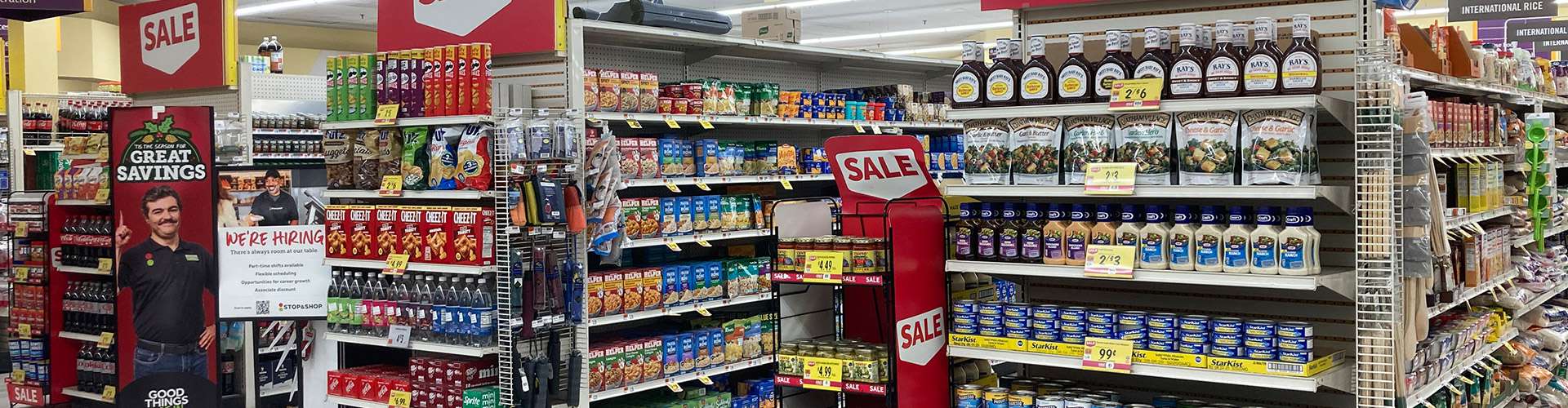


For retailers ranging from small boutiques to global chains, choosing a reliable retail display solution provider is a pivotal decision with far-reaching impacts. This goes beyond the simple purchase of shelves, display racks, or checkout counters — at its core, it’s about finding a strategic ally that aligns with your brand vision, helps create exceptional customer experiences, drives sales, and fosters customer loyalty.
In the retail industry, display fixtures have long transcended their basic storage function to become core elements in shaping store identity and engaging consumers effectively. The right fixtures can scientifically guide customer flow, enhance product visibility, and convey brand values; conversely, poor choices may lead to inefficient space utilization, rising operational costs, blurred brand image, and a host of other issues. This guide provides global retail buyers with a comprehensive roadmap to accurately select the most suitable retail display partner.
I. First, Clarify: What Are the Core Categories of Retail Display Fixtures?
Before initiating the selection process, it’s essential to clearly understand the scope of retail display fixtures. These tools are designed for showcasing and managing products in retail settings, primarily including:
· Shelves: Used to hold merchandise, balancing easy access with organized display;
· Display Hooks: Ideal for hanging products, boosting visibility with various styles and materials to match different brand aesthetics;
· Dividers: Help categorize products, maintaining neat displays and enabling customers to locate items quickly;
· Pushers: Common in food and beverage sections, automatically moving products to the front of shelves to maximize display space;
· Point-of-Purchase (POP) Displays: Deployed in high-traffic areas like checkout counters to capture attention and stimulate impulse buys;
· Mannequins: Tailored for fashion retailers, intuitively showcasing clothing outfits to enhance customer engagement;
· Checkout Counters: The final touchpoint before purchase, requiring both operational efficiency and visual appeal.
A high-quality display fixture system is not merely a "carrier" for products but a strategic tool for building seamless shopping experiences and converting foot traffic into actual sales.
II. Core Evaluation Criteria for Selecting a Retail Display Provider
When choosing a retail display supplier, comprehensively assess the following key factors to ensure every investment translates into long-term value:
1. Product Range and Customization Capabilities
A diverse product portfolio is fundamental to meeting varied retail needs. Suppliers should offer a wide selection, including shelf pushers, display hooks, acrylic displays, and more. For global buyers, customization services are particularly critical — including Original Equipment Manufacturer (OEM) and Original Design Manufacturer (ODM) solutions tailored to specific store layouts and product types. Leading suppliers also provide 3D renderings and prototype development, allowing buyers to visualize concepts before committing to mass production and reducing decision risks.
2. Product Quality and Compliance Certifications
Quality is the lifeline of display fixtures, especially in high-traffic retail environments where fixtures endure frequent use and wear. Prioritize evaluating the durability of materials such as plastic, metal, and acrylic. Additionally, verify that suppliers adhere to international compliance standards — such as Restriction of Hazardous Substances (RoHS), Registration, Evaluation, Authorisation and Restriction of Chemicals (REACH), and Food and Drug Administration (FDA) certifications for food-contact fixtures. Manufacturers with International Organization for Standardization (ISO) certifications (e.g., ISO 9001 for quality management, ISO 14001 for environmental management) offer additional assurance of consistent quality.
3. Industry Experience and Success Stories
Suppliers with deep expertise in your specific retail sector — whether supermarkets, pharmacies, or fashion stores — better understand industry pain points and requirements. Request case studies showcasing successful project implementations and seek references from other international clients to validate the supplier’s reliability and service effectiveness.
4. Design Innovation and Technological Adoption
Display fixtures should serve as a vehicle for brand storytelling, making a supplier’s design and innovation capabilities crucial. Assess whether they have an in-house design team capable of creating personalized solutions, such as modular displays or brand-specific elements aligned with your retail strategy. Today, leading suppliers leverage advanced technologies like Virtual Reality (VR) and 3D modeling to help buyers better anticipate final outcomes, improving decision-making efficiency.
5. Supply Chain and Production Capacity
For chain retailers, the ability to support simultaneous rollouts across multiple locations is vital. Confirm that suppliers have sufficient production capacity to scale with your business and can manage global logistics effectively. Look for multi-warehouse networks and rapid replenishment capabilities as indicators of a mature, reliable partner.
6. Sustainability and Environmental Commitment
As global focus shifts toward sustainability, selecting suppliers that prioritize eco-friendly practices is imperative. Prefer those using recyclable materials (e.g., recycled plastics, sustainable wood) or low-emission production processes. Retailers in regions like the EU and US increasingly value environmentally responsible supply chains; partnering with aligned suppliers not only enhances brand image but also future-proofs your retail operations.
7. Cost and Long-Term Value
While upfront pricing is important, evaluating long-term value is even more critical. A cheaper fixture may save money initially but could fail prematurely, leading to higher replacement and maintenance costs. Inquire about bulk discounts and loyalty programs that reward repeat business and foster long-term strategic collaboration.
8. Delivery, Installation, and After-Sales Support
Timely delivery is critical for new store openings or renovations. Clarify lead times and shipping terms (e.g., FOB, CIF, DDP) to avoid project delays. Reputable suppliers should provide clear installation guides, remote technical support, or even on-site installation services to ensure smooth implementation. Additionally, robust after-sales support — including warranties and defective part replacement policies — significantly mitigates operational risks.
9. Adaptability to Smart Display Trends
Advancements in retail technology are reshaping fixture design and functionality. Forward-thinking suppliers integrate digital solutions such as:
· Electronic Shelf Labels (ESLs): Enable real-time updates to pricing and product information;
· Smart Shelves: Equipped with sensors to track inventory levels and alert managers to low stock;
· IoT-Enabled Fixtures: Internet of Things (IoT) capabilities gather shopper behavior data to optimize in-store strategies.
While these technologies are not yet ubiquitous, they represent the future of retail efficiency and customer engagement. Selecting suppliers invested in smart displays positions your brand for competitive advantage.
III. Common Pitfalls to Avoid
When choosing a retail display supplier, be wary of these common mistakes:
· Prioritizing Price Alone: Overfocusing on upfront costs often leads to overlooking critical factors like quality and durability, resulting in higher long-term expenses;
· Ignoring Supply Chain Stability: Suppliers with inadequate logistics or limited capacity may cause stockouts or delays, disrupting store operations;
· Neglecting Customer Experience Alignment: A fixture’s aesthetics and layout directly impact customer experience; focusing solely on functionality can harm brand perception.
Avoiding these pitfalls helps build long-term partnerships with suppliers truly suited to your needs.
IV. Frequently Asked Questions for Global Retail Buyers
Q1: What is the typical Minimum Order Quantity (MOQ) for retail display fixtures?
A1: MOQs vary by product type — standard items usually range from 500 to 1,000 units. Custom designs may have higher MOQs due to initial tooling and design costs.
Q2: Do suppliers offer free samples?
A2: Some suppliers provide free samples for standard products, while custom samples may incur a nominal fee (often refundable with bulk orders). Clarify sample policies with potential suppliers early.
Q3: What is the standard production lead time?
A3: Average lead times for retail display fixtures are 30 to 45 days. For urgent orders, suppliers may offer expedited production based on factory capacity.
Q4: Can fixtures be customized with brand logos or specific colors?
A4: Most suppliers offer OEM/ODM customization as a standard service, including embossed logos, color matching, and special finishes to align fixtures with your brand identity.
Q5: What warranty and after-sales support are available?
A5: Reliable suppliers typically offer 6-month to 1-year warranties, with replacement policies for defective parts. Confirm warranty terms and after-sales processes before finalizing partnerships.
Q6: Do suppliers support global delivery?
A6: Leading manufacturers have mature international logistics capabilities, coordinating shipments to multiple regions to support global chain store deployments.
V. ORIO: Your Trusted Retail Display Partner
Among numerous retail display suppliers, ORIO stands out as a global leader with extensive industry expertise. Headquartered in Guangdong, China, ORIO offers a full range of products — including POP displays, shelf management systems, pushers, dividers, and display hooks — as well as customized solutions for international retail chains.
With robust OEM/ODM capabilities, modern production facilities, and professional installation service networks across Southeast Asia, Australia, and South Africa, ORIO is more than a product supplier — we are a strategic partner dedicated to enhancing your brand’s retail competitiveness. We consistently deliver high-quality, stable, and cost-effective solutions to help brands stand out in the global retail market.
VI. Conclusion
Selecting a retail display supplier is essentially building a strategic partnership to support long-term brand growth. This decision impacts not just fixture procurement, but also brand image, customer experience, and operational efficiency.
By comprehensively evaluating core factors such as product range, quality, innovation, supply chain, and sustainability, avoiding common pitfalls, and embracing smart display trends, global retail buyers can secure partners that truly align with their needs.
In the fiercely competitive retail landscape, a high-quality display supplier acts as your brand’s "invisible growth engine." Through scientific space planning and efficient display solutions, they create more engaging store environments, ultimately driving both sales growth and customer loyalty.


