



Roller Shelf Solution: Keep Your Retail Display Facing Forward
08 January 2026
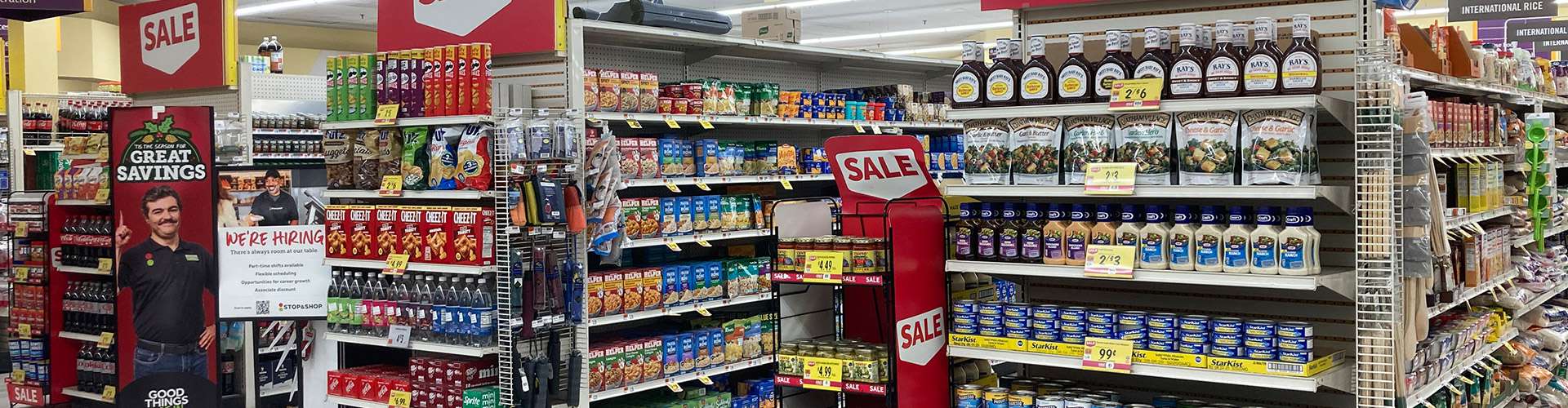


Drink pusher systems are widely used in supermarkets, convenience stores, beverage coolers, and commercial refrigeration equipment to keep products automatically front-facing on shelves.
In modern retail environments, product visibility and shelf organization directly influence customer purchasing decisions. When beverage products remain neatly aligned and always pushed to the front edge of the shelf, stores can maintain a cleaner display while reducing manual restocking work.
This complete guide explains everything buyers need to know about drink pusher systems, including structure, working principles, system types, technical specifications, and OEM manufacturing options.
Looking for a reliable drink pusher supplier?
Our factory provides OEM drink pusher systems for refrigeration equipment manufacturers, supermarkets, and retail display companies.
Contact us to get product specifications, samples, and factory pricing.
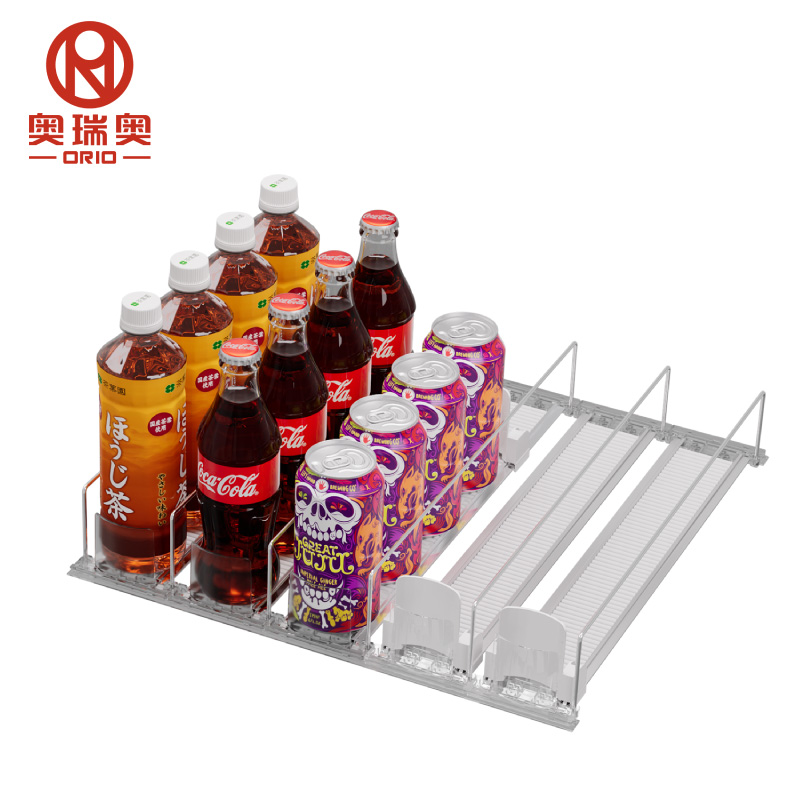
【 Orio Drink pusher systems 】
A drink pusher system (also known as a beverage pusher, shelf pusher, or spring-loaded pusher) is a retail shelf management device designed to automatically push products forward when an item is removed.
The system ensures beverages remain aligned at the front of the shelf, maintaining a tidy and attractive display without constant manual adjustment.
Drink pushers are commonly installed in:
· Supermarket refrigeration cabinets
· Convenience store beverage coolers
· Retail shelving systems
· Freezer display cabinets
· Beverage brand promotional displays
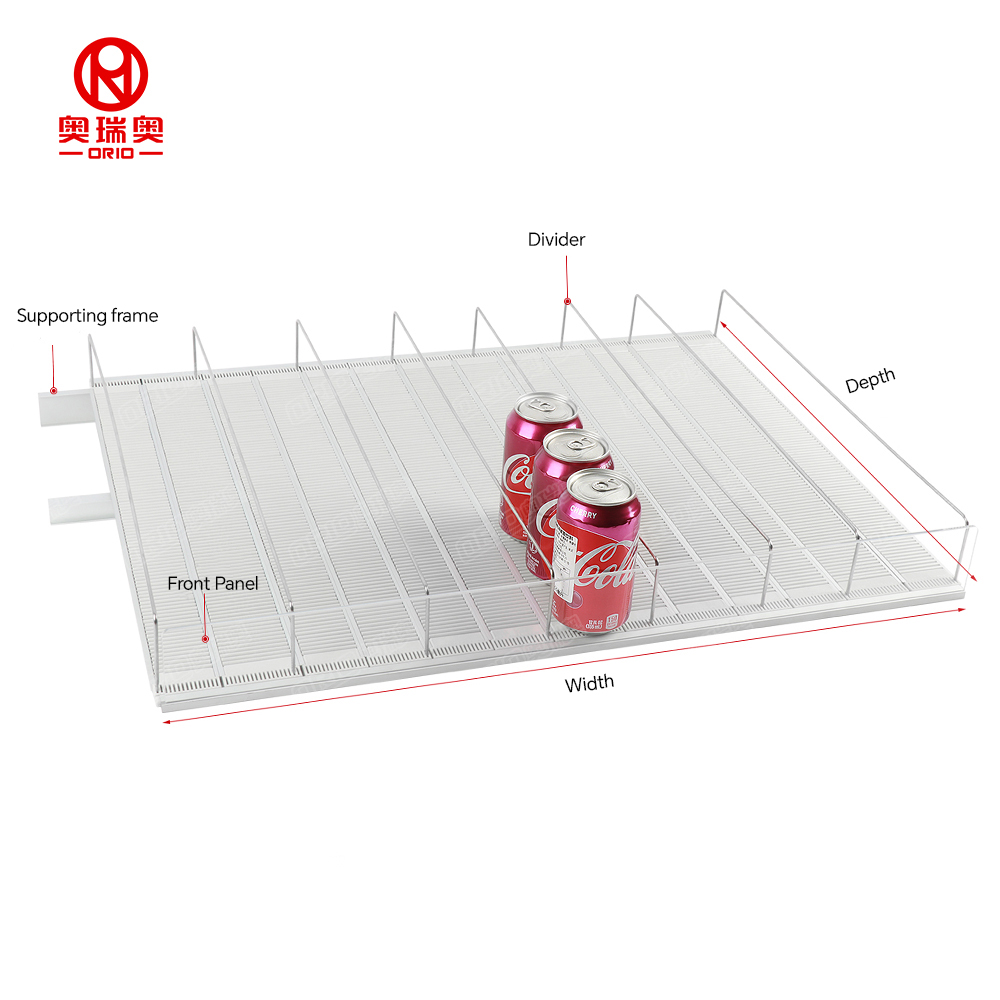
A standard drink pusher system usually consists of:
· Spring mechanism
· Pusher tray
· Divider rails
· Base mounting system
Its main purpose is automatic product front-facing and shelf organization.
Drink pushers operate using a spring tension mechanism.
When products are loaded onto the pusher tray, the spring compresses and stores energy. Once a customer removes a product from the front, the stored tension automatically pushes the remaining items forward.
This ensures that products stay aligned at the front edge of the shelf.
· Continuous front-facing display
· Reduced shelf maintenance labor
· Improved retail shelf organization
· Better product visibility for customers
This automatic alignment significantly improves shelf presentation in high-traffic retail environments.
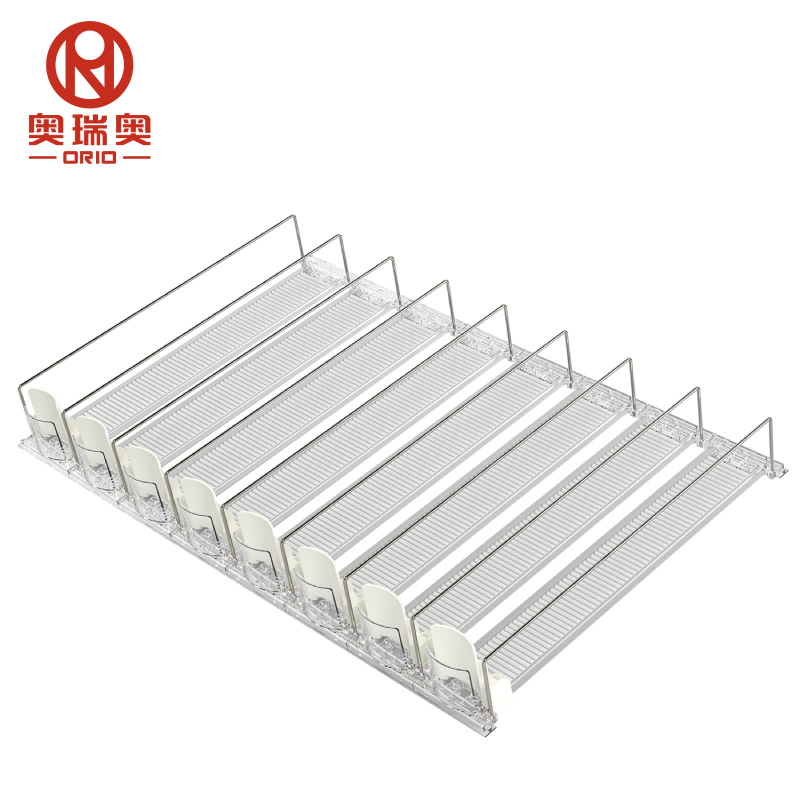
Different retail environments require different drink pusher configurations. The most common types include:
Designed for narrow product channels.
Best suited for:
· beverage cans
· slim bottles
· small packaged drinks
Single-lane systems are commonly used in convenience stores and beverage coolers.
Adjustable systems allow lane width to be modified to fit various bottle or can sizes.
Advantages include:
· flexible SKU management
· adaptable shelf configuration
· suitable for multi-product displays
This type is ideal for supermarkets with multiple beverage brands.
Heavy-duty pushers are designed for larger and heavier bottles such as:
· 1L bottles
· 1.5L bottles
· 2L beverage containers
They feature stronger springs and reinforced trays to handle higher loads.
Some advanced retail displays combine gravity roller shelves with spring pushers.
These hybrid systems are used in:
· high-end beverage coolers
· branded refrigerator displays
· commercial merchandising systems
They provide smoother product movement and improved display performance.
When sourcing drink pusher systems, buyers should evaluate several key technical parameters.
Parameter | Typical Specification |
Lane Width | 55 mm – 120 mm |
Shelf Depth | 300 mm – 600 mm |
Load Capacity | 1 kg – 5 kg per lane |
Temperature Resistance | -20°C to +50°C |
Material | ABS / HIPS plastic |
Spring Material | Carbon steel / stainless steel |
For freezer applications, cold-resistant materials and reinforced spring systems are recommended.
Need help selecting the right drink pusher specification for your cooler or display shelf?
Our engineering team can recommend suitable sizes, spring strength, and installation solutions based on your refrigerator design.
Send us your shelf dimensions to receive a customized recommendation.
The cost of a drink pusher system varies depending on material quality, structural design, and customization requirements.
Typical factory price ranges:
Product Type | Estimated Price Range |
Single lane drink pusher | $0.8 – $1.5 per unit |
Adjustable drink pusher | $1.2 – $2.5 per unit |
Heavy-duty pusher | $2 – $4 per unit |
【Prices are estimates; contact us for a real-time quote based on current material costs.】
Price is influenced by several factors:
· plastic material quality
· spring strength
· system size
· customization requirements
· order quantity (MOQ)
For bulk orders or OEM customization projects, factory pricing may vary depending on product specifications and order volume.
· Detailed product catalog
· Factory quotation
· Sample availability
· OEM customization options
Many buyers compare drink pushers with gravity roller shelves when designing retail beverage displays.
Feature | Drink Pusher | Gravity Roller Shelf |
Working Mechanism | Spring tension | Gravity movement |
Suitable Products | Light to medium weight beverages | Heavy bottles |
Installation | Flexible | Requires shelf angle |
Cost | Lower | Higher |
In many commercial refrigeration projects, both systems can be combined to achieve optimal product movement.
Drink pusher systems are widely used across the retail and beverage industry.
Helps maintain organized beverage shelves with minimal manual adjustment.
Ideal for high-turnover environments where products are frequently removed.
Improves brand visibility in cooler displays and promotional refrigerators.
Many refrigerator manufacturers integrate drink pushers directly inside OEM display cabinets.
Implementing drink pusher systems offers several advantages for both retailers and beverage suppliers.
Front-facing products attract more attention and improve impulse purchases.
Automatic product pushing reduces manual shelf adjustments.
Organized product lanes help staff restock shelves faster.
Clean and consistent displays strengthen brand perception.
For refrigeration manufacturers and retail equipment suppliers, OEM customization is often required.
Professional drink pusher factories typically provide:
· custom dimension design
· mold development
· injection molding production
· spring force adjustment
· private label branding
· custom packaging
· product assembly
· export logistics support
Working with an experienced manufacturer ensures stable quality and scalable production.
Choosing a professional manufacturer ensures stable quality and long-term supply for large retail projects.
A reliable drink pusher factory typically provides:
· in-house injection molding production
· spring manufacturing capability
· OEM customization services
· strict quality inspection
· international export experience
If you are sourcing drink pushers for supermarket refrigeration equipment or retail display systems, working directly with a factory can significantly reduce costs and ensure stable supply.
Contact us to discuss your project requirements.
When sourcing drink pushers, buyers should evaluate several key supplier capabilities.
Does the factory have in-house injection molding machines and assembly lines?
Can the supplier assist with structural optimization and custom design?
Does the company supply international refrigeration or retail brands?
Is there standardized inspection before shipment?
Can the manufacturer support OEM and ODM development?
Selecting a professional supplier ensures stable product performance and long-term cooperation.
If you are looking for a reliable drink pusher manufacturer or OEM supplier, working with an experienced factory ensures better product quality and competitive pricing.
We provide:
✔ OEM drink pusher systems
✔ Custom sizes and spring force
✔ Beverage cooler display solutions
✔ Fast sample support
✔ Stable large-scale production
Contact our engineering team today to request a quotation or sample for your project.
Yes. Adjustable lane systems allow customization for different packaging sizes.
Yes. Cold-resistant materials and reinforced springs allow operation at temperatures as low as -20°C.
Minimum order quantity depends on customization level and manufacturer production capability.
Most professional suppliers support sample testing before mass production.


