



Roller Shelf Solution: Keep Your Retail Display Facing Forward
08 January 2026



Gridwall panels are widely used in retail display projects because their open-grid structure supports flexible product presentation and can accommodate different hooks, brackets, and shelving accessories. However, choosing the right gridwall panel involves more than selecting a size or finish. Panel dimensions, wire construction, load requirements, mounting methods, accessory compatibility, and the store layout all affect how well the display performs in daily use.
For retailers, store fixture buyers, visual merchandising teams, and retail display contractors, the goal is to select a panel system that fits the intended merchandise, available space, installation conditions, and project budget.
This guide explains the key factors to evaluate when specifying gridwall panels for retail display projects, from initial measurements to sample approval and bulk-order checks.
Start by identifying what the gridwall panels need to display and how the store will use them. Different merchandise categories create different requirements for accessory selection, load distribution, display depth, and customer access.
Retail application | Key considerations |
Clothing and fashion accessories | Garment hooks, hangers, display density, and customer access |
Packaged consumer goods | Hook compatibility, package dimensions, product visibility, and replenishment |
Small tools and hardware | Product weight, hook retention, and load distribution |
Promotional displays | Flexible layouts, interchangeable accessories, and seasonal changes |
Retail fixtures and display areas | Available wall space, installation method, and integration with surrounding fixtures |
The intended application should guide the specification. A panel used for lightweight accessories may not be suitable for heavier merchandise without checking the panel construction, mounting arrangement, and compatible accessories.
Before requesting a quotation, document the product categories, approximate item weights, expected display quantities, and whether the layout will change frequently.
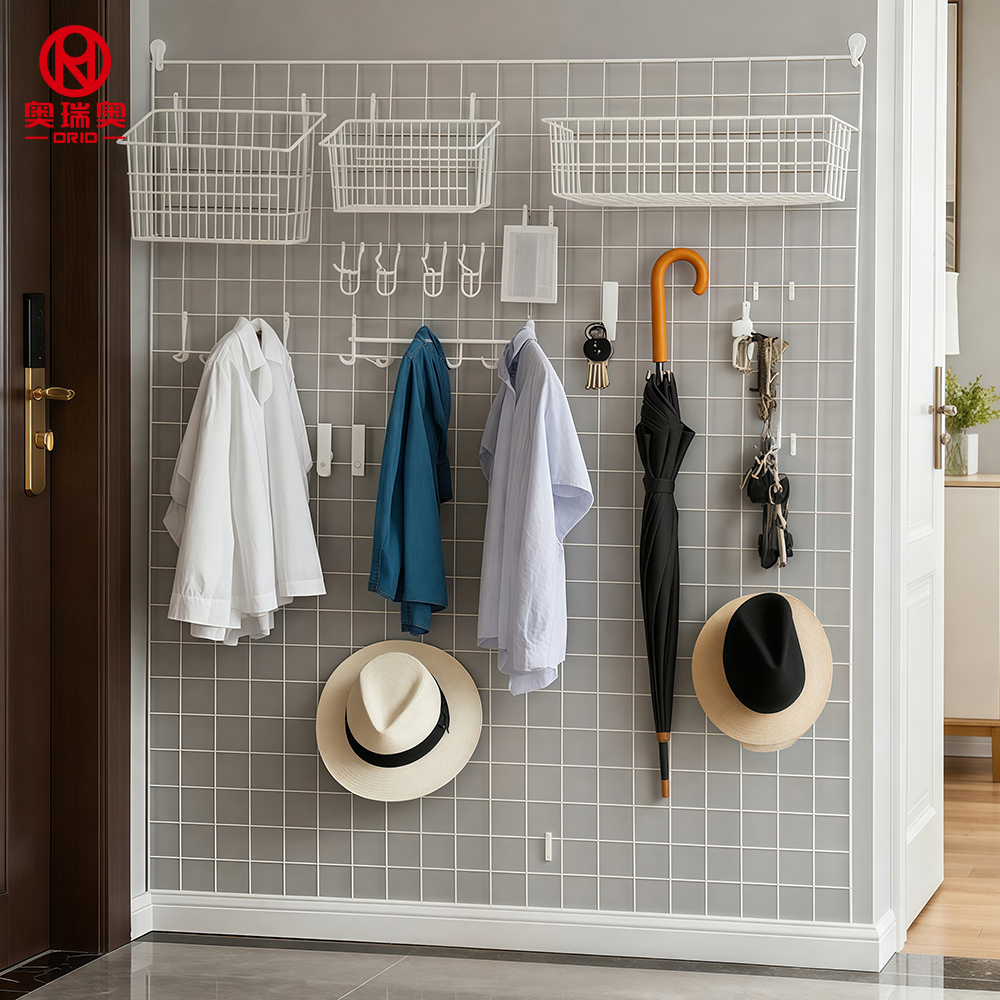
Panel dimensions determine how much display space is available and whether the system fits the store layout. Grid spacing affects where hooks and other accessories can be positioned.
Measure the available installation area before choosing panel dimensions. Consider the following:
Usable display area: Allow enough space for merchandise, hooks, brackets, and customer access.
Installation clearance: Account for nearby shelves, doors, counters, and other fixtures.
Display arrangement: Determine whether panels will be installed individually, side by side, or in a larger display wall.
Transport and handling: Consider how panel dimensions affect packaging, delivery, and on-site installation.
For multi-store projects, standardizing panel dimensions where practical can simplify purchasing, inventory management, and replacement.
Grid spacing determines which hooks and brackets can engage with the panel correctly. Do not assume that accessories described as “gridwall compatible” will fit every panel design.
Confirm the actual grid dimensions and the accessory attachment method with the supplier. If the project requires accessories from an existing fixture system, check their compatibility before finalizing the panel specification.
Where dimensions are critical, request a sample or dimensional drawing for verification.
Gridwall panel dimensions and grid spacing should be verified before ordering. See our [Gridwall Panel Dimensions and Grid Spacing Guide] for detailed measurement and specification requirements.
Panel construction affects rigidity, handling, appearance, and suitability for the intended merchandise. Relevant factors may include wire diameter, grid configuration, perimeter frame construction, and welded-joint consistency.
A buyer should evaluate the complete display assembly rather than judging performance by panel appearance alone.
Wire diameter and spacing
Perimeter frame design
Weld consistency and visible defects
Panel flatness and dimensional consistency
Attachment points and compatibility with mounting hardware
Surface finish and overall appearance
Load requirements should be established according to the merchandise and display arrangement. A panel carrying lightweight packaged products presents different demands from one supporting heavier items on projecting hooks or brackets.
The actual capacity depends on the panel construction, mounting method, fasteners, wall or support structure, accessory design, and load distribution. The weakest component in the assembly may determine the practical limit.
Ask the supplier for applicable load-test information and the conditions under which any stated capacity was established. Do not rely on a generic load rating without confirming that the test setup reflects the intended installation.
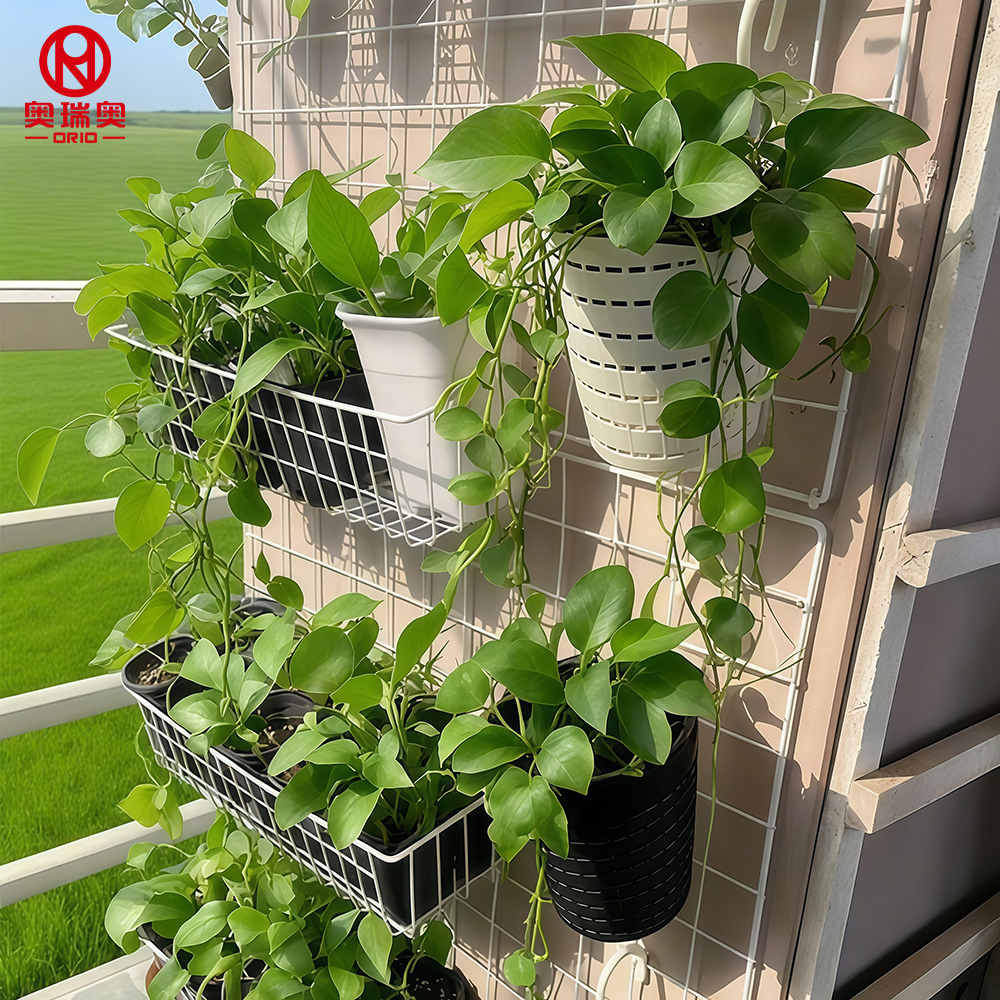
The surface finish influences appearance, maintenance, and resistance to the conditions in which the display will be used.
Depending on the supplier's actual product range, available options may include powder-coated or plated finishes. Confirm which finishes are available for the specific panel construction rather than assuming every option can be supplied.
When comparing finishes, consider:
Appearance: Match the finish to the store's visual merchandising requirements.
Wear resistance: Consider contact with hooks, brackets, merchandise, and routine handling.
Corrosion exposure: Evaluate humidity, cleaning practices, and the surrounding environment.
Color consistency: Check whether the finish can be maintained across panels and repeat orders.
Inspection requirements: Confirm how surface defects, scratches, and color variation will be assessed.
If the project has specific coating thickness, corrosion-resistance, or color requirements, define the acceptance criteria before production. Any performance claims should be supported by the relevant product specifications or test results.
Gridwall panels may be used in different display configurations, but the appropriate mounting method depends on the panel design and installation environment.
Possible arrangements include wall-mounted panels, panels attached to compatible support structures, and freestanding displays using suitable bases or frames. Availability depends on the actual system being purchased.
Before selecting a configuration, confirm:
Whether the installation surface can support the intended display assembly.
Which brackets, fasteners, frames, or bases are required.
Whether the mounting points align with the panel design.
How the installation affects the usable display area.
Whether the finished assembly remains stable under the intended loading conditions.
For wall-mounted applications, verify the wall structure and specified fixing method. For freestanding arrangements, check the complete support system and stability requirements.
The panel, accessories, and mounting hardware should be treated as one coordinated display system.
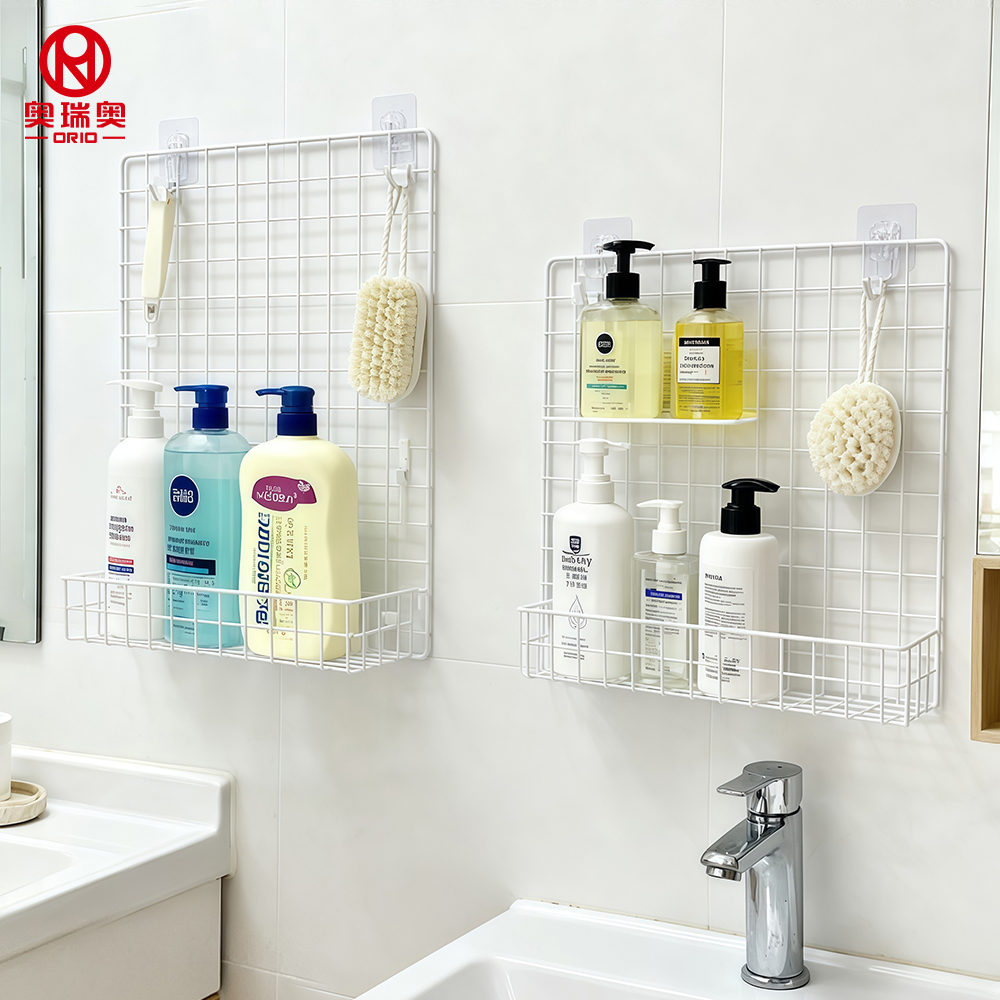
Accessories determine how merchandise is arranged on a gridwall panel. They can also affect product visibility, loading behavior, and how easily staff replenish the display.
Common accessory categories may include hooks, brackets, baskets, and shelves, depending on the panel system.
Before placing an order, confirm:
Accessory dimensions and attachment geometry
Compatibility with the selected grid spacing
Suitable accessory lengths and display depths
Load requirements for the complete assembly
Clearance between adjacent products
Ease of installation, removal, and rearrangement
For projects using existing store fixtures, test the proposed accessories on the actual panel specification. A small difference in attachment geometry can affect fit and retention.
If the display must accommodate several product categories, prepare a layout showing the intended accessory positions and approximate merchandise dimensions. This makes it easier to identify conflicts before installation.
The choice of panel should also account for the accessories required by the merchandise. See our [Gridwall Panel Accessories Guide] for guidance on matching hooks, brackets, shelves, and baskets to gridwall panels.
Retail display projects may require panels with particular dimensions, finishes, frame designs, or accessory arrangements. Customization should be based on a defined specification rather than an informal description.
For a custom or multi-location project, establish the following before production:
Specification | What to confirm |
Dimensions | Panel width, height, and dimensional tolerances |
Grid configuration | Grid spacing and layout |
Construction | Wire and frame requirements |
Finish | Color, finish type, and acceptable surface variation |
Accessories | Required types, dimensions, and compatibility |
Packaging | Protection against scratching, deformation, and transit damage |
Quality control | Inspection points and acceptance criteria |
Repeat orders | Approved reference sample and revision control |
An approved sample provides a reference for checking dimensions, appearance, accessory fit, and workmanship. For repeat orders, retain the approved specifications and identify any changes that require renewed approval.
Do not finalize production based solely on a product photograph when fit, finish, or dimensions are critical.
For OEM projects or large retail rollouts that require non-standard panel specifications, buyers should also consider sample approval, production consistency, and repeat-order requirements. See our [Custom Gridwall Panels OEM Buyer’s Guide] for guidance on managing custom specifications and bulk orders.

A detailed request for quotation (RFQ) helps suppliers evaluate the project accurately and reduces unnecessary clarification during specification and production.
Include as much of the following information as is available:
Intended retail application and merchandise category
Required panel dimensions and grid spacing
Expected loading conditions
Preferred construction and surface finish
Mounting method and installation environment
Accessory requirements and compatibility constraints
Order quantity and estimated repeat-order needs
Packaging, labeling, and delivery requirements
Drawings, reference photographs, or existing samples
Required inspection criteria and sample-approval process
If some specifications have not yet been finalized, identify them as open items. This allows the supplier to distinguish confirmed requirements from details that still need engineering review.
For projects involving refrigerated retail equipment as well as general merchandising fixtures, also define the requirements for each equipment type separately. ORIO's commercial refrigerator shelf solutions and gravity roller shelf systems may be relevant to refrigerated display applications, but their specifications should not be treated as interchangeable with gridwall panel requirements.
Sample verification is particularly important when panels must fit existing fixtures or be installed across multiple stores.
A practical inspection checklist includes:
Verify panel width, height, and grid dimensions.
Check panel flatness and overall construction.
Inspect welds, frame joints, and visible surface defects.
Confirm the finish matches the approved specification.
Test the specified hooks, brackets, or shelves for fit.
Review the mounting arrangement and installation clearances.
Check packaging protection and handling requirements.
Where load performance is important, request suitable test evidence or agree on a validation method appropriate to the intended assembly. Visual inspection alone cannot establish a panel's load capacity.
Record the approved sample, drawing revision, finish requirements, and inspection criteria so that subsequent production can be checked against the same reference.
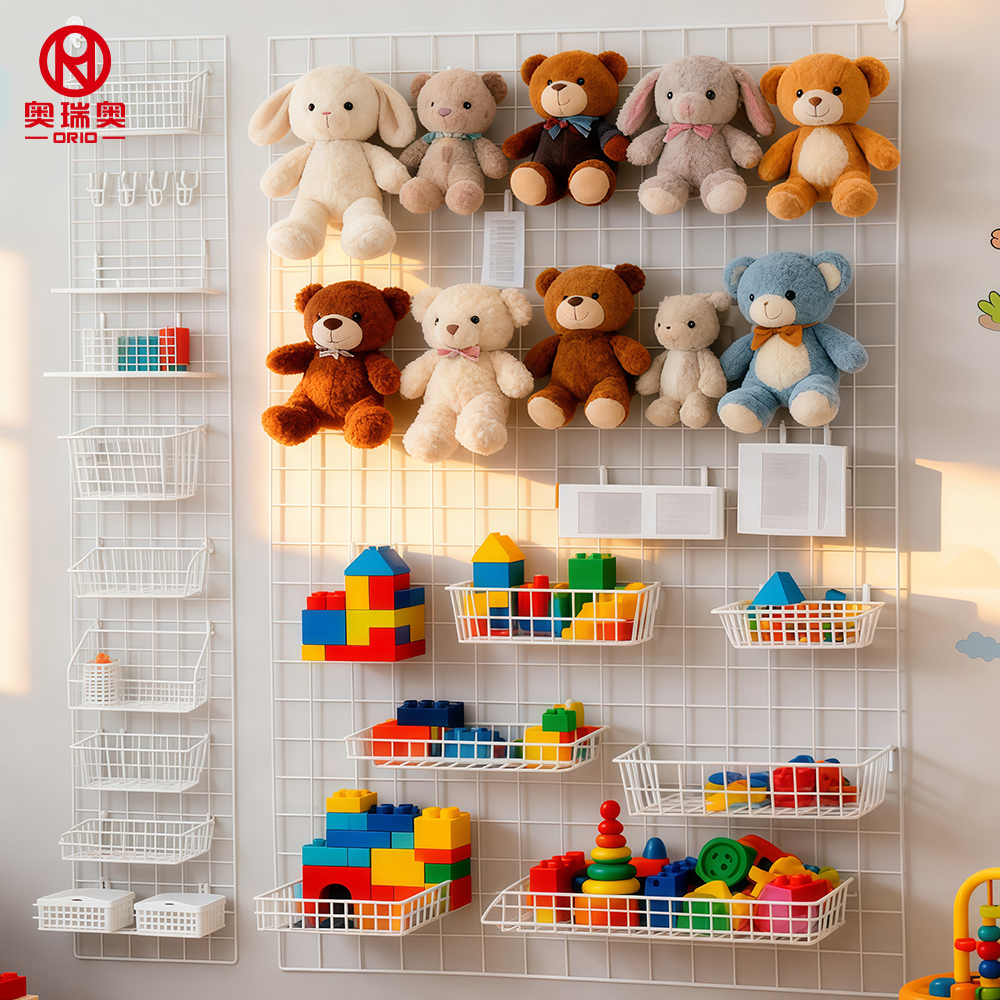
The right gridwall panel is not necessarily the one with the lowest unit price or the largest display area. It is the panel that fits the merchandise, installation conditions, accessory system, and project requirements without creating avoidable compatibility or quality problems.
A structured selection process should follow this sequence:
Define the merchandise and intended display use.
Measure the installation area and confirm panel dimensions.
Specify grid spacing, construction, and finish.
Verify load requirements for the complete assembly.
Confirm mounting hardware and accessory compatibility.
Review quotations against the same specification.
Approve a sample and establish inspection criteria before bulk production.
This approach helps retail fixture buyers, project managers, and store design teams make decisions based on measurable requirements rather than appearance alone.
Selecting the right gridwall panels requires careful consideration of panel dimensions, grid spacing, wire construction, surface finish, mounting methods, and accessory compatibility.
Whether you are sourcing standard gridwall panels or planning a customized retail display project, providing clear specifications helps ensure that the proposed solution matches your installation and merchandising requirements.
When contacting ORIO, you can share:
Required panel dimensions and grid spacing
Intended display application and merchandise type
Wire and frame requirements
Preferred surface finish and color
Compatible hooks, brackets, or other accessories
Estimated order quantity and delivery requirements
Our team can review your project information and discuss suitable product specifications and customization options.
Contact ORIO to discuss your gridwall panel requirements and request a quotation.


