



Roller Shelf Solution: Keep Your Retail Display Facing Forward
08 January 2026
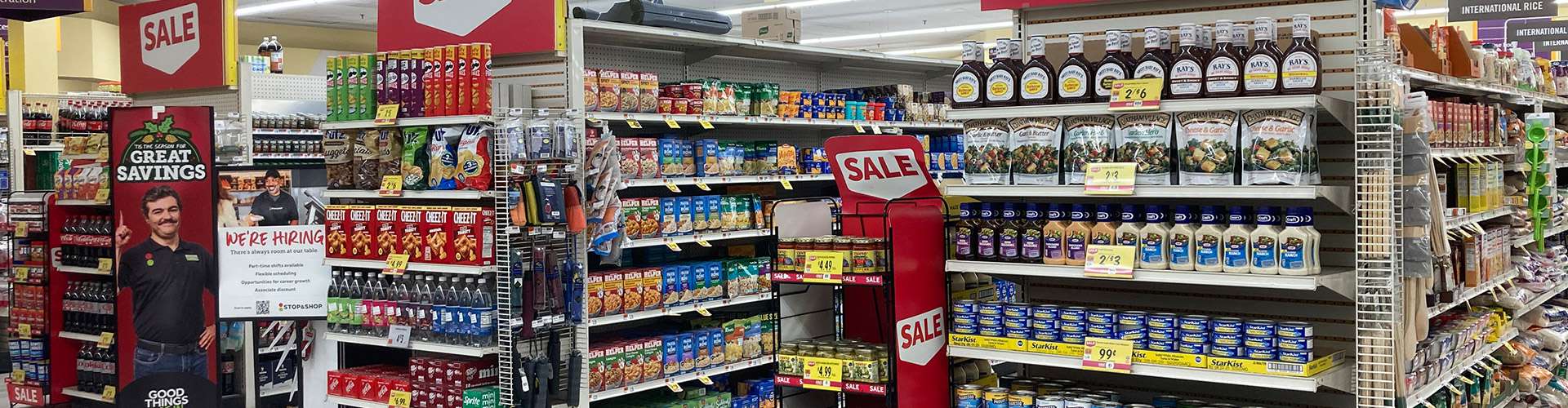


Gravity roller shelvesare widely used in retail refrigerators, beverage display cabinets, supermarket refrigeration systems, and convenience store shelving. These systems automatically move products forward using gravity-driven roller tracks, ensuring consistent product front-facing and improved display efficiency.
For refrigeration equipment manufacturers, supermarket fixture suppliers, and retail engineering teams, selecting the correct gravity roller shelf design requires careful evaluation of structural strength, roller mechanics, load capacity, environmental durability, and cabinet compatibility.
This engineering guide explains the technical design principles, structural specifications, and performance requirementsof commercial gravity roller shelf systems.
A gravity roller shelf, also known as a gravity feed shelf system, is a mechanical shelving structure designed to automatically move products forward along inclined roller tracks.
Products are loaded from the rear of the shelf, while customers remove items from the front. The slight tilt of the shelf combined with low-friction rollers allows gravity to continuously move products forward.
· Automatic product front-facing
· Reduced manual shelf arrangement
· Faster restocking operations
· Improved retail display organization
· Higher product visibility
Because of these advantages, gravity roller shelves are widely used in high-turnover retail environments, especially for beverage displays and refrigerated products.
No More Product Jamming: Engineered with premium low-friction rollers to prevent aluminum cans or irregular PET bottle bases from getting stuck.
Anti-Brittle in Cold Chain: Our roller tracks use specially formulated high-impact polymers that remain resilient down to -20℃, eliminating the common issue of plastic cracking in walk-in coolers.
The structural frame provides the primary load-bearing support for the gravity shelf system.
Common frame materials include:
· Powder-coated steel – cost-effective and durable
· Galvanized steel – improved corrosion resistance
· Stainless steel – ideal for high humidity environments
Application | Recommended Thickness |
Standard retail shelves | 0.8 mm – 1.2 mm |
Heavy beverage applications | 1.5 mm or higher |
The frame must also comply with the structural load limits of the refrigeration cabinet.
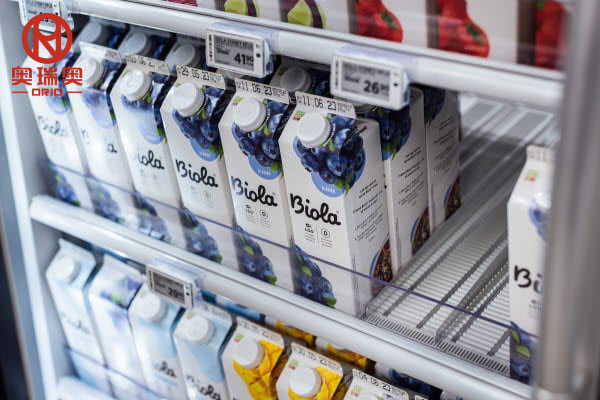
Roller tracks are the core functional component of gravity shelf systems.
Common roller materials include:
· Food-grade PP (Polypropylene)
· ABS plastic
· High-impact engineering polymers
Commercial gravity roller shelves must meet several key performance criteria:
· Low friction for smooth sliding
· Cold temperature resistance
· High compression strength
· Long-term wear resistance
These characteristics ensure reliable operation in refrigerated retail environments.
Roller diameter directly influences sliding friction and load capacity.
Roller Diameter | Characteristics | Recommended Application |
25–30 mm | High lane density | Lightweight products |
30–35 mm | Balanced performance | Mixed retail products |
35–40 mm | Lower friction | Heavy beverage bottles |
Larger roller diameters provide smoother product movement and improved load support.
The tilt angle of the shelf determines whether products slide smoothly under gravity.
Standard slope range:
3° – 7°
If the angle is too small:
· Insufficient sliding force
· Products may remain stationary
If the angle is too large:
· Products may collide at the front stopper
· Increased risk of packaging damage
Optimal tilt angles should be determined based on:
· Product weight
· Bottle base friction coefficient
· Roller material properties
Engineering testing is often used to determine the best slope configuration.
Gravity roller shelves typically include adjustable dividers that create separate product lanes.
35 mm – 120 mm
· Transparent polycarbonate (PC)
· ABS plastic
· Reinforced metal dividers
Modern divider systems support:
· Snap-in installation
· Tool-free adjustment
· Reinforced anti-bending structures
Adjustable lane systems allow gravity shelves to accommodate multiple product sizes within the same display cabinet.
Load capacity must be calculated carefully to ensure long-term structural safety.
Product Type | Load Capacity |
Beverage cans | 15 – 25 kg |
PET bottles | 25 – 40 kg |
Glass bottles | 40 kg or more |
Full shelf load capacity should be calculated using:
Total lanes × maximum load per lane
A safety factor of 1.5× or greater is typically recommended.
Gravity roller shelves installed in refrigerated cabinets must operate reliably in harsh environmental conditions.
Parameter | Test Condition |
Temperature | -20°C to +5°C |
Humidity | High condensation |
Usage cycles | Continuous restocking |
Under these conditions, shelves must maintain:
· Stable roller rotation
· No frame corrosion
· No structural deformation
· Smooth sliding performance
These requirements are critical for commercial refrigeration environments.
Modern gravity roller shelves are designed with modular structures that simplify installation and maintenance.
· Quick assembly shelf modules
· Replaceable roller strips
· Custom shelf width options
· Multi-layer stacking compatibility
This modular design ensures compatibility with various commercial refrigeration cabinet structures.
The performance of gravity roller shelves depends heavily on manufacturing precision.
High-quality manufacturers monitor:
· Injection molding precision
· Roller concentricity
· Frame welding strength
· Powder coating thickness
· Dimensional tolerance (typically <1 mm)
Standard quality inspection processes include:
· Static load testing
· Dynamic sliding testing
· Drop impact simulation
These tests ensure the shelf system maintains long-term structural stability and smooth product flow.
Gravity roller shelves are widely used across retail and refrigeration industries.
Used for organized display of:
· PET beverage bottles
· Aluminum cans
· Glass beverage containers
Commonly used for:
· Dairy products
· Yogurt
· Packaged fresh foods
Gravity shelves help maintain organized product displays during high customer traffic periods.
Refrigeration equipment manufacturers and retail fixture suppliers often require customized shelf systems.
Professional OEM manufacturers provide:
· Custom shelf width and depth
· Product-specific lane configurations
· Custom tilt angles
· Logo printing
· Custom colors
· Private label packaging
Manufacturers can work with equipment designers to integrate gravity shelves into commercial refrigerator systems.
When selecting a gravity shelf system, procurement teams should evaluate several factors.
· Load capacity requirements
· Roller material durability
· Shelf tilt angle design
· Compatibility with existing cabinets
· OEM customization capability
Selecting a reliable manufacturer ensures long-term structural durability and operational efficiency.
If you are developing commercial refrigeration equipment, retail display systems, or beverage brand refrigerators, choosing the right gravity roller shelf design is critical.
Our engineering team can assist with:
· Technical design consultation
· Custom shelf configuration
· Load capacity calculations
· OEM manufacturing solutions


