



Roller Shelf Solution: Keep Your Retail Display Facing Forward
08 January 2026
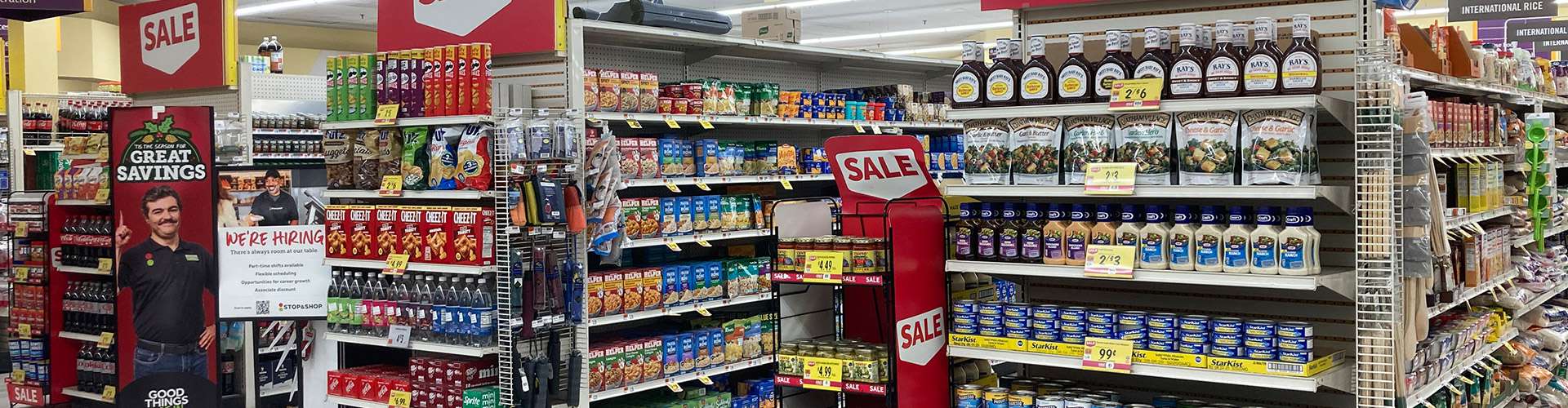


Modern supermarkets operate in increasingly competitive retail environments where product visibility, replenishment efficiency, and shelf organization directly influence customer purchasing behavior.
As beverage SKUs continue expanding and labor costs rise, retailers are adopting intelligent merchandising systems that reduce manual maintenance while improving display consistency. Among these solutions, gravity feed shelving has become a standard fixture in beverage coolers, dairy cabinets, convenience store refrigerators, and promotional retail displays.
Unlike traditional flat shelving, gravity roller shelf systems automatically move products forward after each item is removed, maintaining a fully stocked appearance throughout the day. In high-traffic retail environments, this improves both operational efficiency and visual merchandising performance.
This article explores how gravity feed shelving systems are used in supermarkets, the engineering principles behind their performance, and why modern retailers are increasingly transitioning toward gravity roller merchandising solutions.
The most common supermarket application for gravity feed shelving is inside beverage coolers and refrigerated display cabinets.
In traditional beverage shelving systems, products frequently become disorganized during peak shopping hours. Employees must repeatedly front-face beverages manually to maintain display appearance and prevent shelves from looking partially empty.
Gravity roller shelving eliminates much of this repetitive labor by using inclined roller tracks that automatically slide beverages forward after products are removed.
· Automatic front-facing
· Reduced shelf maintenance labor
· Faster customer product selection
· Improved display consistency
· Cleaner beverage presentation
· Enhanced customer shopping experience
For bottled water, soft drinks, energy drinks, canned beverages, and juices, gravity feed shelving helps supermarkets maintain a “full shelf effect” throughout the business day.
Retail implementations have shown that consistent front-facing beverage displays can improve product visibility and increase sales conversion by approximately 8% through stronger visual merchandising performance.
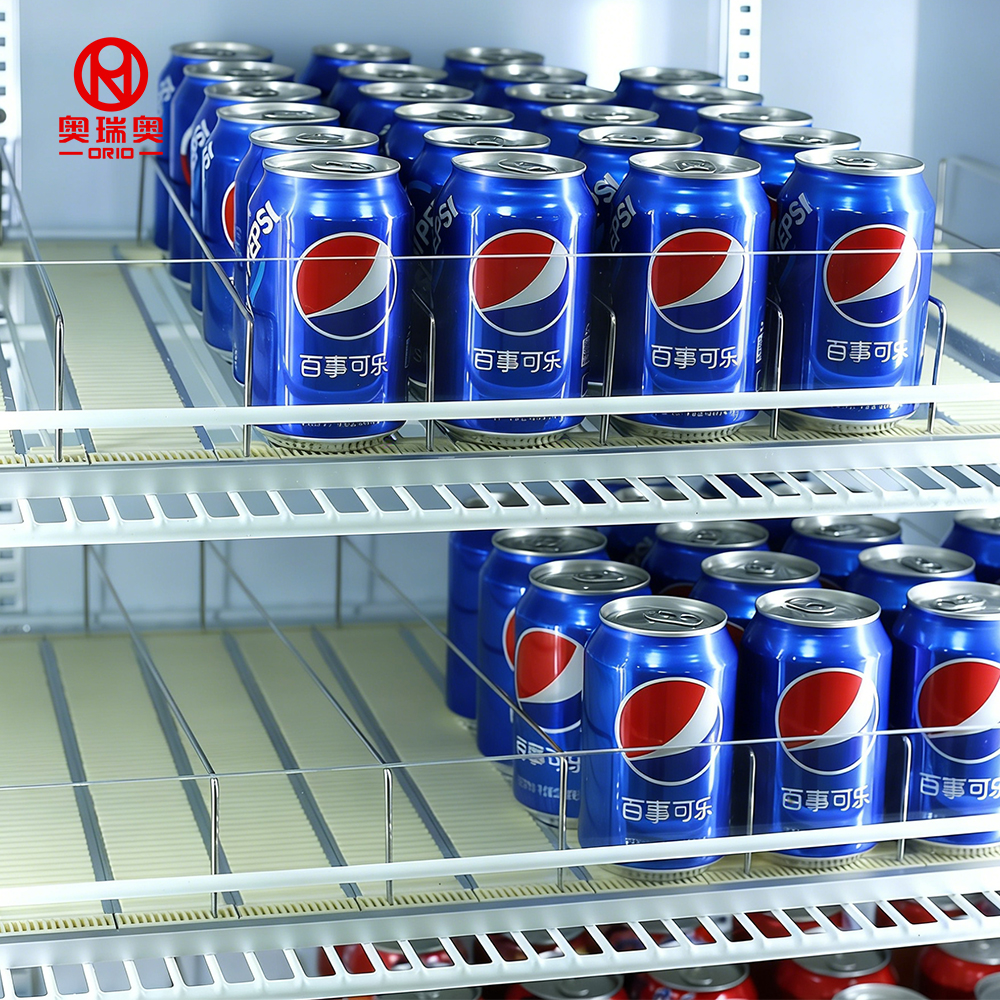
One of the core engineering principles behind gravity roller shelving performance is the carefully controlled incline angle.
Most commercial gravity feed shelving systems operate with a slight 3-degree tilt angle, allowing products to slide forward smoothly through gravity while maintaining stable and controlled movement.
A properly engineered incline angle is critical because excessive tilt may cause products to slide too quickly, while insufficient tilt can lead to product sticking and inconsistent replenishment flow.
· Smooth gravity-driven product movement
· Controlled beverage sliding speed
· Reduced product tipping risk
· Stable front-facing performance
· Improved replenishment consistency
· No external power consumption
In ORIO gravity roller shelf systems, the incline angle is achieved through an aluminum rear support riser combined with an H-shaped structural support frame, which helps maintain long-term stability under heavy beverage loads.
This gravity-driven mechanical structure allows products to continuously auto-replenish without electricity, making the system both energy-efficient and operationally reliable.
Supermarket refrigeration cabinets operate under demanding conditions, including:
· Low temperatures
· High humidity
· Continuous door opening cycles
· Condensation exposure
· Heavy beverage loads
These environments require shelving systems with strong corrosion resistance and structural durability.
Low-quality shelving systems may experience:
· Roller sticking
· Structural deformation
· Rust and corrosion
· Reduced sliding efficiency
· Shortened product lifespan
To ensure stable long-term performance, ORIO gravity roller shelving systems utilize a combination of:
· Aluminum alloy frame construction
· Corrosion-resistant stainless steel dividers
· Low-friction plastic rollers
· Transparent acrylic front panels
This material combination provides strong resistance to moisture, rust, and refrigerated operating conditions while maintaining smooth product movement over long service periods.
The roller system is one of the most critical technical components of gravity feed shelving.
In high-turnover supermarket environments, roller tracks must maintain smooth and stable movement even under continuous daily use.
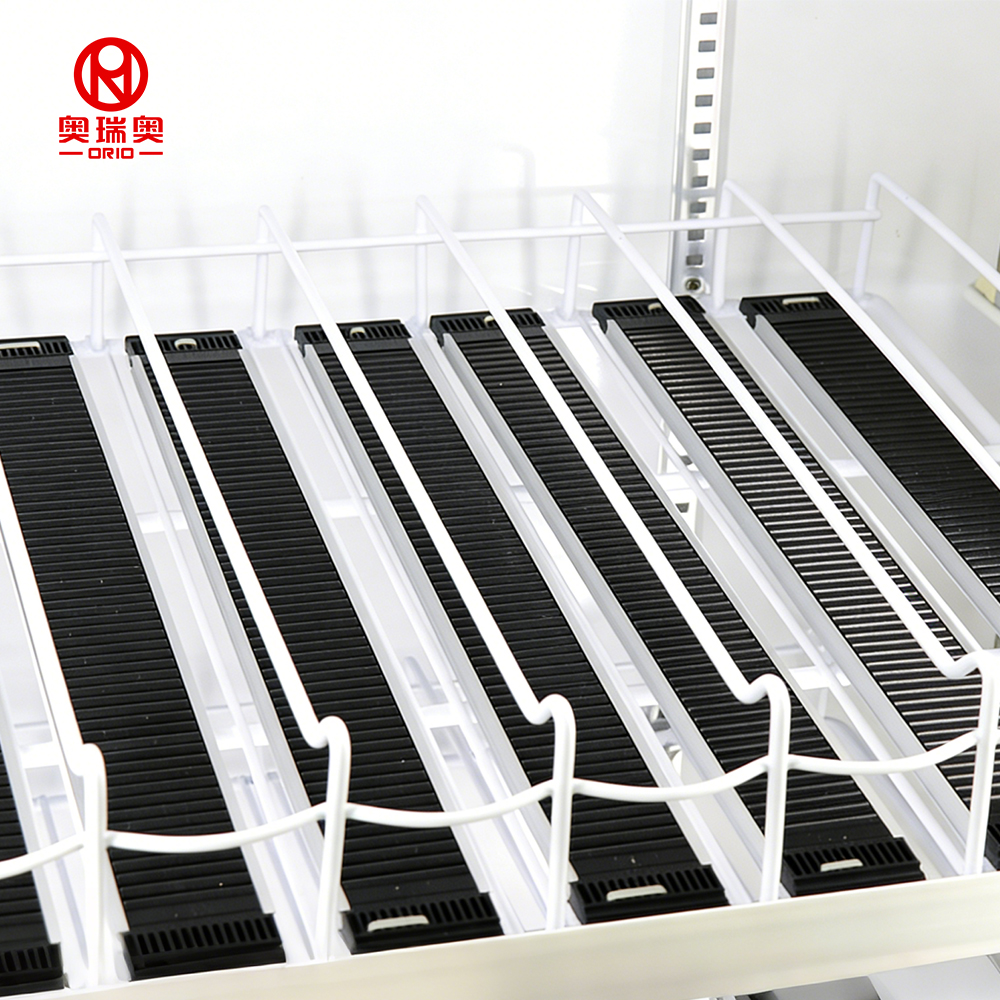
ORIO gravity roller shelves utilize precision low-friction plastic rollers with smooth ball-bearing movement to reduce resistance during beverage sliding.
· Stable beverage movement
· Reduced product jamming
· Lower maintenance frequency
· Long-term operational reliability
· Improved replenishment efficiency
· Smooth performance under refrigerated conditions
For supermarkets operating beverage coolers 24 hours per day, reliable roller performance directly affects merchandising consistency and labor efficiency.
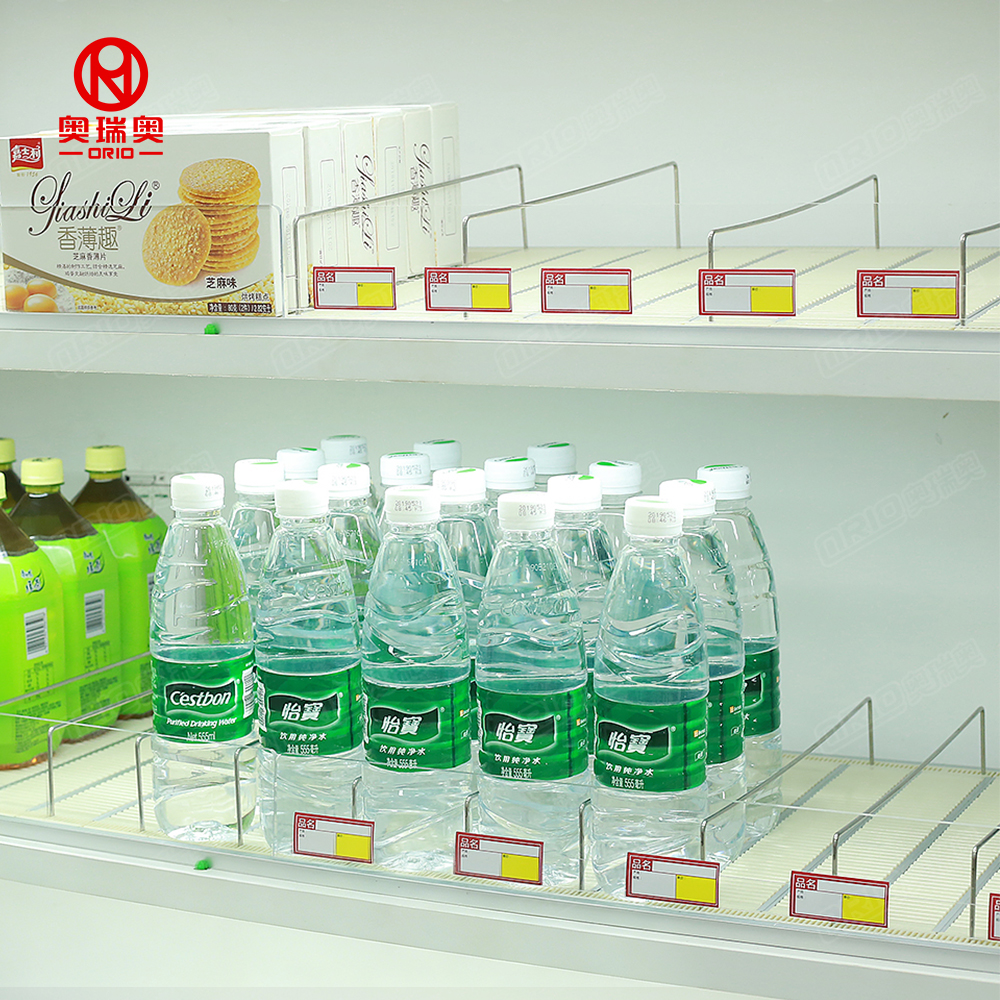
Modern supermarkets carry a wide variety of beverage packaging formats, bottle sizes, and product categories.
Without structured merchandising systems, products often become mixed together during customer interaction, negatively affecting display appearance and shelf organization.
Gravity feed shelving systems with adjustable lane dividers help supermarkets create organized multi-SKU displays while maintaining merchandising flexibility.
· Adjustable lane widths
· Flexible SKU configuration
· Clear product separation
· Improved brand blocking
· Faster product changeover
· Optimized shelf space utilization
ORIO gravity roller shelf systems support 50mm and 60mm lane width configurations, allowing supermarkets to accommodate bottled water, cola, juice, dairy beverages, canned drinks, and other packaged products efficiently.
Compared with traditional flat shelves, structured gravity lane systems create cleaner product alignment and more professional beverage merchandising presentation.
Large supermarket chains continuously seek ways to improve operational efficiency while controlling labor expenses.
Traditional beverage shelving requires employees to repeatedly:
· Front-face products
· Rearrange mixed SKUs
· Correct shelf disorder
· Reorganize promotional displays
Gravity roller shelving automates many of these repetitive merchandising tasks.
· Reduced front-facing labor time
· Faster replenishment workflow
· Lower maintenance frequency
· Improved display standardization
· Easier inventory visibility
· More efficient store operations
Because products continuously move toward the front automatically, employees can quickly identify out-of-stock lanes without repeatedly reorganizing beverages manually.
Across multiple supermarket branches, even small labor savings per refrigeration unit can generate substantial long-term operational cost reductions.
For supermarket operators and refrigeration equipment manufacturers seeking to improve beverage merchandising efficiency, selecting a professionally engineered gravity roller shelving system is critical for achieving long-term operational stability and display consistency.
ORIO provides customized gravity feed shelving solutions for supermarkets, beverage cooler manufacturers, convenience stores, and branded refrigeration projects, supporting various SKU configurations and refrigerated display requirements.
Shelf space utilization is a major priority in modern supermarket merchandising.
Gravity feed shelving systems improve space efficiency through structured product organization and adjustable display configurations.
In multi-door beverage coolers, optimized gravity roller shelf layouts can significantly increase display facings while maintaining clean product separation.
· Increased product facings
· Better horizontal shelf utilization
· Cleaner display organization
· Higher merchandising density
· Reduced wasted shelf space
For beverage brands and supermarket operators, maximizing visible product facings directly increases shelf value and improves retail display effectiveness.
Modern supermarkets increasingly cooperate with beverage brands through branded cooler programs and promotional merchandising campaigns.
In these environments, consistent display appearance directly affects brand perception and purchase conversion.
Gravity feed shelving supports:
· Consistent front-facing presentation
· Cleaner product alignment
· Improved shelf blocking
· Premium display standards
· Stronger visual merchandising impact
Compared with traditional flat shelving, gravity roller systems help maintain professional product presentation throughout the business day without requiring constant manual adjustment.
For beverage brands competing for limited refrigeration display space, merchandising consistency is essential for protecting shelf visibility and maximizing promotional effectiveness.
Feature | Gravity Feed Shelving | Traditional Flat Shelf |
Automatic front-facing | Yes | No |
FIFO product flow | Supported | Limited |
SKU separation | Structured | Often mixed |
Labor requirement | Lower | Higher |
Display consistency | Strong | Variable |
Replenishment efficiency | Higher | Moderate |
Visual merchandising impact | Strong | Moderate |
Space utilization | Higher | Standard |
Refrigerated performance | Optimized | Basic |
Traditional shelving remains suitable for simple storage applications, but it lacks merchandising optimization for high-turnover beverage environments.
Gravity roller shelving functions not only as a shelf structure, but also as a retail efficiency and visual merchandising system.
When selecting gravity feed shelving systems for supermarket applications, retailers and refrigeration equipment manufacturers should evaluate several important technical factors.
A stable 3-degree incline helps balance smooth product movement with controlled sliding speed.
Corrosion-resistant aluminum alloy and stainless steel components improve durability in refrigerated environments.
Low-friction rollers with smooth bearing movement improve replenishment consistency and reduce maintenance.
Shelving systems should support heavy bottled and canned beverages without structural deformation during long-term operation.
Flexible lane systems improve compatibility with different beverage packaging sizes and merchandising layouts.
Shelving systems should integrate efficiently with existing supermarket coolers, refrigerators, and display cabinets.
Selecting a supplier with strong engineering capability and stable production capacity is equally important for long-term retail operations.
ORIO gravity roller shelf systems are specifically engineered for supermarket beverage coolers, refrigeration cabinets, convenience store refrigerators, and commercial retail display environments.
· 3-degree adjustable gravity incline system
· Reinforced aluminum alloy frame structure
· Corrosion-resistant divider materials
· Low-friction smooth roller movement
· Transparent acrylic front panels
· Adjustable lane divider configurations
· Multi-SKU beverage compatibility
· High-load commercial retail design
Designed for long-term supermarket operation, ORIO systems focus on:
· Display consistency
· Labor efficiency
· Refrigerated environment durability
· Merchandising optimization
· Space utilization improvement
· Reliable gravity auto-replenishment
For supermarkets, refrigeration equipment manufacturers, fixture distributors, and beverage brands seeking reliable gravity feed shelving solutions, engineering capability and long-term structural reliability remain essential supplier selection factors.
With experience serving more than 50,000 retail stores worldwide, ORIO supports OEM & ODM customization for supermarket refrigeration projects, beverage merchandising systems, and branded cooler display programs.
Whether you require gravity roller shelving for bottled beverages, dairy products, canned drinks, or multi-SKU refrigerated displays, ORIO can provide customized layout recommendations, technical support, and stable large-scale production capacity for commercial retail applications.
For project consultation, product specifications, or customized gravity shelf solutions, contact the ORIO engineering team for professional support.
Gravity feed shelving has become a core merchandising solution in modern supermarkets.
From beverage refrigeration zones and dairy cabinets to convenience store coolers and promotional retail displays, gravity roller shelving improves display organization, replenishment efficiency, FIFO management, and visual merchandising performance.
Through engineered features such as 3-degree gravity incline systems, corrosion-resistant structural materials, low-friction rollers, and adjustable merchandising lanes, modern gravity feed shelving systems deliver measurable operational advantages over traditional flat shelving.
As retail competition intensifies and labor costs continue rising, supermarkets adopting intelligent shelving systems gain long-term advantages in operational efficiency, merchandising consistency, and overall retail performance.
For high-turnover beverage environments, gravity roller shelving is no longer simply an optional upgrade — it has become an essential part of modern supermarket merchandising strategy.
As supermarkets continue upgrading refrigeration merchandising systems and improving retail operational efficiency, gravity roller shelving is becoming an increasingly important investment for modern beverage displays.
If you are looking for reliable gravity feed shelving systems for supermarket coolers, refrigerated displays, or retail merchandising projects, ORIO offers professional engineering support, OEM customization, and stable supply capabilities for global retail applications.


