



Roller Shelf Solution: Keep Your Retail Display Facing Forward
08 January 2026
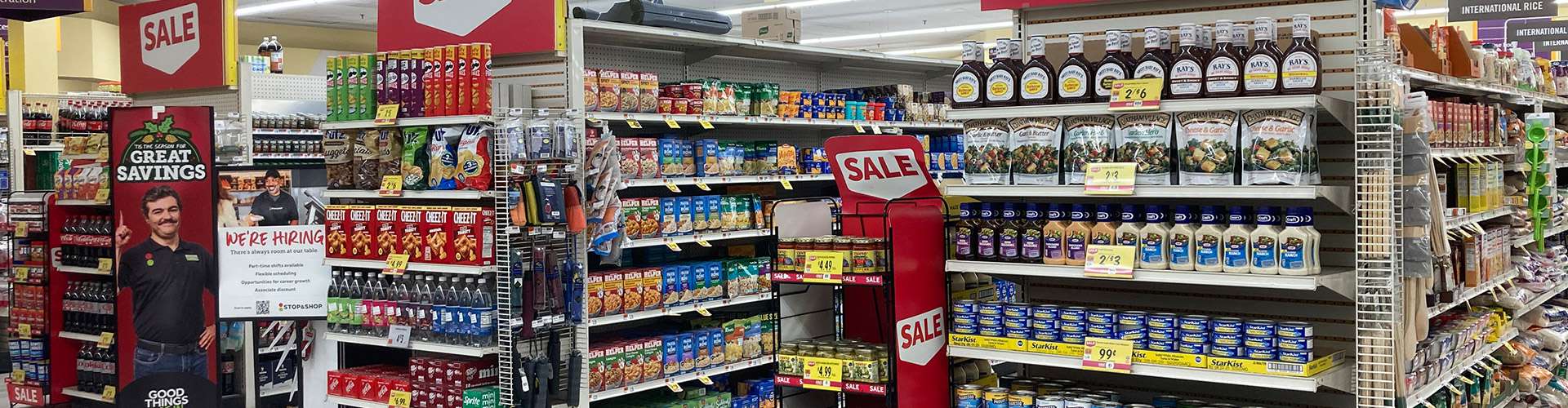


Gravity roller shelves are widely used in supermarkets, convenience stores, beverage coolers, and refrigerated display cabinets to keep products automatically front-facing and neatly organized.
In modern retail environments, shelf organization directly affects product visibility, customer experience, and replenishment efficiency. A well-designed gravity roller shelf system helps retailers reduce manual shelf adjustment, improve display consistency, and increase product accessibility.
However, not all gravity roller shelf systems are suitable for every retail or refrigeration application. Shelf structure, roller material, load capacity, and refrigerator compatibility all directly affect long-term performance and operational efficiency.
This buying guide explains the key factors buyers, refrigeration engineers, and retail equipment distributors should evaluate before selecting a gravity roller shelf system.
A gravity roller shelf (also known as a gravity feed shelf system) is a shelving solution that automatically moves products forward using slightly inclined roller tracks.
Products are loaded from the rear of the shelf, while customers remove products from the front. The shelf angle combined with low-friction rollers allows gravity to continuously move remaining products forward.
Gravity roller shelves are commonly used in:
· Supermarket refrigerators
· Beverage coolers
· Convenience store displays
· Dairy product cabinets
· Frozen food displays
· Retail promotional refrigerators
Compared with traditional flat shelves, gravity shelves improve product visibility and maintain cleaner retail displays with less manual labor.
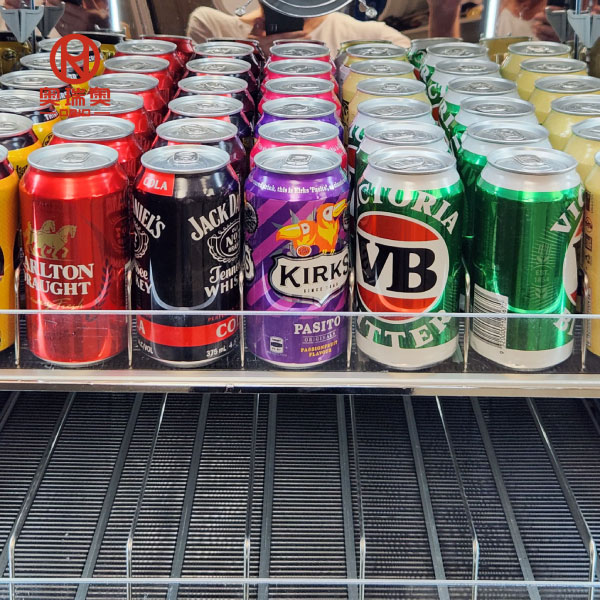
Selecting the correct gravity shelf configuration depends on several technical and operational factors.
Before placing an order, buyers should first clarify:
· Is the shelf used in refrigerated or ambient environments?
· What types of products will be displayed?
· Are products lightweight cans or heavy glass bottles?
· Does the system need adjustable lanes?
· Will the shelves fit existing refrigerators or require customization?
Clearly defining the application scenario helps prevent installation issues and long-term operational problems.
Different retail environments require different gravity shelf structures.
Beverage refrigerators usually require:
· Reinforced roller tracks
· Adjustable product lanes
· Smooth sliding performance
· High load capacity
These systems are commonly used for:
· PET bottles
· Aluminum cans
· Glass beverage bottles
Supermarkets often use gravity roller shelves for:
· Dairy products
· Yogurt
· Packaged foods
· Ready-to-eat meals
Shelf systems should support flexible SKU management and easy cleaning.
For freezer environments, gravity shelves must operate reliably under low temperatures and high humidity.
Recommended features include:
· Cold-resistant rollers
· Corrosion-resistant frames
· Anti-condensation materials
Freezer gravity shelves are commonly designed for temperatures as low as -30°C.
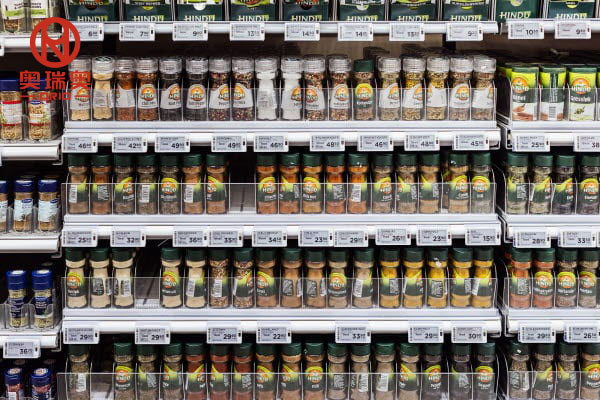
Load capacity is one of the most important selection factors.
Different products create different pressure loads on roller tracks and shelf frames.
Product Type | Weight Level | Recommended Structure |
330ml cans | Light | Standard gravity shelf |
500ml PET bottles | Medium | Reinforced roller system |
Glass bottles | Heavy | Steel reinforced shelf |
Dairy products | Light-medium | Adjustable lane shelf |
Before purchasing, buyers should verify:
· Maximum load per lane
· Total shelf load capacity
· Roller compression resistance
· Frame reinforcement thickness
For heavy beverage products, reinforced steel frames and high-strength roller tracks are strongly recommended.
Roller performance directly affects product movement and long-term durability.
· Plastic gravity rollers
· Ball-bearing rollers
· High-strength polymer rollers
Ensures smooth product movement and continuous front-facing performance.
Important for refrigerated and freezer environments.
High-traffic retail displays require rollers that can withstand continuous replenishment cycles.
Premium rollers reduce vibration and operating noise inside retail refrigerators.
High-quality roller systems provide smoother product flow and reduce maintenance requirements.
Modern retail displays frequently change product sizes and packaging formats.
A good gravity roller shelf system should support:
· Adjustable dividers
· Flexible lane widths
· Easy SKU switching
· Efficient shelf space utilization
Adjustable lane systems help retailers reduce unused shelf space while improving display organization.
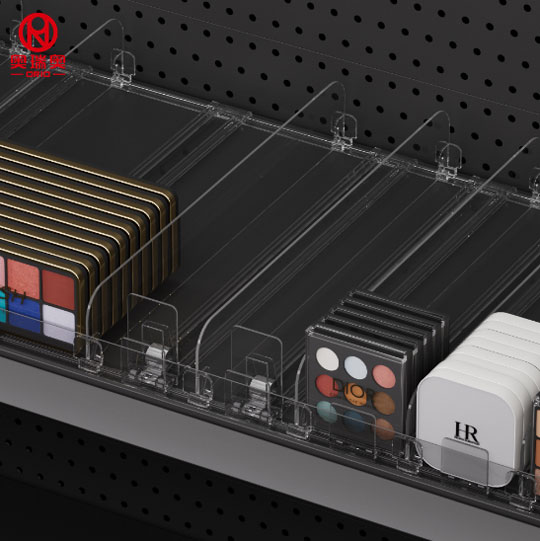
Not all gravity roller shelves fit all refrigeration cabinets.
Before ordering, buyers should confirm:
· Cabinet internal dimensions
· Shelf depth
· Shelf mounting structure
· Required tilt angle
· Product loading direction
Professional OEM manufacturers can customize gravity shelf dimensions and tilt angles to match existing refrigeration equipment.
Retail environments require shelving systems that are easy to install and maintain.
Recommended features include:
· Tool-free installation
· Modular shelf structures
· Easy-clean surfaces
· Replaceable roller strips
Modular gravity shelf systems help reduce maintenance costs and improve replacement efficiency.
Lower-cost gravity shelf systems may use:
· Thin metal frames
· Low-quality plastic rollers
· Non-adjustable structures
While initial purchase cost may be lower, long-term durability and sliding performance are often reduced.
A high-quality gravity roller shelf system helps retailers:
· Reduce restocking labor
· Improve shelf organization
· Increase product visibility
· Enhance impulse purchases
· Lower replacement frequency
For supermarkets and beverage brands, long-term operational efficiency is usually more valuable than short-term cost savings.
For international retail projects, buyers should verify compliance requirements.
Important standards may include:
· RoHS compliance
· Food-contact material safety
· EU market requirements
· Cold-environment durability standards
Certified materials help ensure product safety and smoother international distribution.
Many buyers focus only on price and overlook long-term operational requirements.
Common purchasing mistakes include:
· Choosing shelves based only on price
· Ignoring load capacity requirements
· Using non-cold-resistant rollers in refrigerators
· Overlooking refrigerator compatibility
· Selecting non-adjustable lane systems
· Skipping durability testing
Avoiding these issues helps reduce maintenance costs and improve shelf performance.
Before selecting a supplier, buyers should evaluate the following factors.
Checklist Item | Why It Matters |
Load capacity | Prevents shelf deformation |
Roller material | Ensures smooth sliding |
Cold resistance | Required for refrigerators |
Adjustable dividers | Supports multiple SKUs |
OEM capability | Allows custom projects |
QC system | Ensures product consistency |
Export experience | Supports international projects |
A reliable supplier should provide technical support, testing documentation, and customization capability.
Choosing the correct gravity roller shelf system requires balancing:
· Product weight
· Refrigeration environment
· Shelf durability
· Roller performance
· Cabinet compatibility
Our engineering team can assist with:
· Gravity shelf structure recommendations
· Refrigerator compatibility analysis
· Load capacity calculations
· Custom shelf configurations
· Technical drawings and OEM support
If you are developing supermarket refrigerators, beverage coolers, or retail display systems, contact us to discuss customized gravity roller shelf solutions for your project.


